The nine sections of a business plan, executive summary, company description, market analysis, organization and management, product or service line, marketing and sales, funding request, financial projections, and appendix, are well established and easy to list. Knowing the list isn’t what stops most people. Writing each section in a way a bank or investor will take seriously is the harder part, and it’s what this guide walks through.
If you already know the structure and just want a quick checklist of what belongs where, our breakdown of what a business plan template should include covers that in a few minutes. This guide is for building the content itself.
Traditional or Lean: Pick Your Format Before You Start
The U.S. Small Business Administration recognizes two formats, and picking the wrong one wastes real time. A traditional business plan is comprehensive and detailed, commonly 15-30 pages once every section is filled out, and it’s what banks and most investors expect to see. A lean business plan is a high-level summary of the same key points, built to fit on a single page and written in under an hour. It’s useful for testing an idea quickly or keeping an internal planning document current, but it rarely satisfies a lender on its own.
This guide walks through the traditional format, section by section. If a one-page, investor-facing lean plan is closer to what you actually need, our guide to writing a condensed, 10-page business plan covers that format specifically.
Step 1: Write the Executive Summary Last
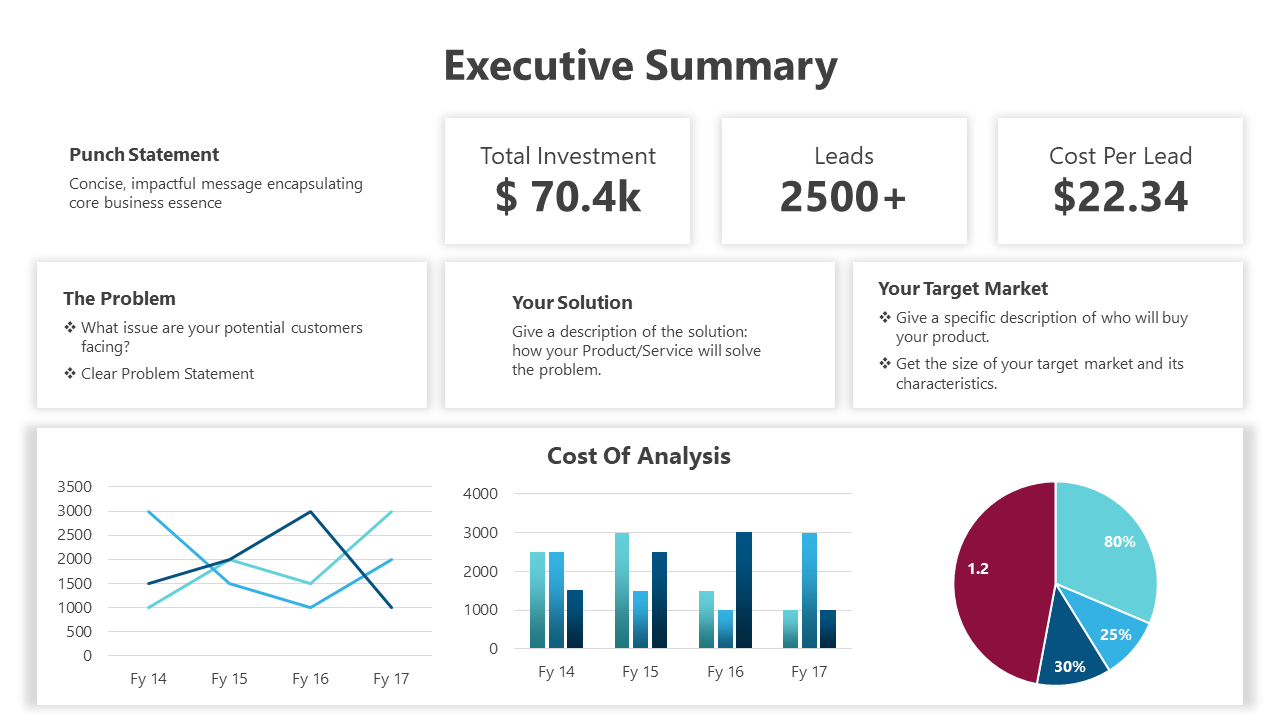
The executive summary comes first in the finished plan, but writing it first is the most common reason executive summaries end up vague. It’s supposed to briefly explain what your company is and why it will succeed: your mission, what you sell, who’s leading the business, where you’re located, and, if you’re seeking financing, the growth numbers behind that ask. Every one of those things gets sharper once the rest of the plan exists. Draft it last, using the strongest, most specific sentence from each section you’ve already written, rather than trying to summarize a business you haven’t fully thought through yet.
Step 2: Company Description
This section answers three questions a stranger would ask: what does your company do, who does it do it for, and what makes it different from the business next door. Keep the first two answers factual, your legal structure, what you sell, and who buys it. Spend more space on the third: the specific advantage that makes you worth funding or working with, whether that’s a lower cost structure, a niche you understand better than competitors, or a process you’ve already proven works.
Step 3: Market Analysis
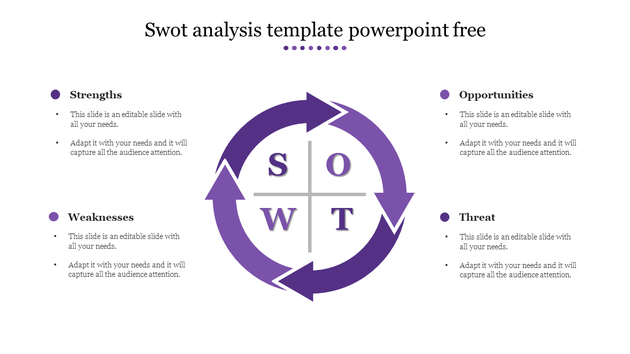
This is the section where vague writing gets punished hardest, because it’s the easiest one to fake with generic industry statistics instead of real research. Start with secondary research, industry reports, census data, and competitor websites, to size the market and identify trends. Then do primary research your competitors haven’t: talk to 10-15 potential customers directly about what they’d pay for and what they currently do instead of buying from you. Segment your market into groups with different needs rather than treating “everyone who might buy this” as one audience, and name your direct competitors specifically rather than asserting you have none.
Step 4: Organization and Management
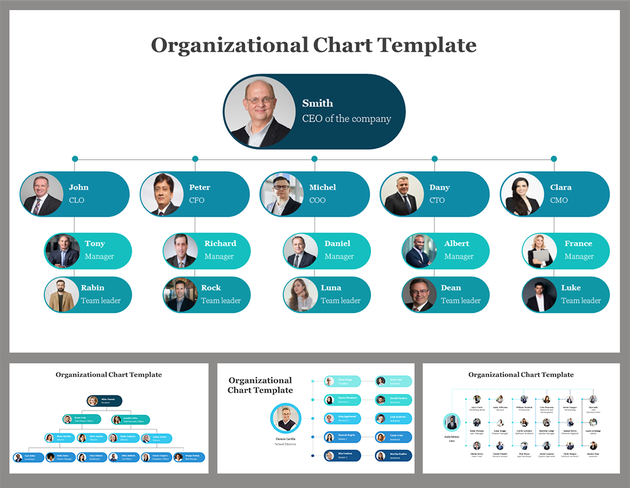
State your legal structure, sole proprietorship, LLC, corporation, and who runs the business day to day. For each key person, cover what they’ve done before that makes them credible for this specific role, not a general resume. If you have gaps in your founding team, an experienced advisor or board member filling that gap is worth naming here; a lender reading this section is really asking whether the people involved can execute the plan they’re about to fund.
Step 5: Product or Service Line
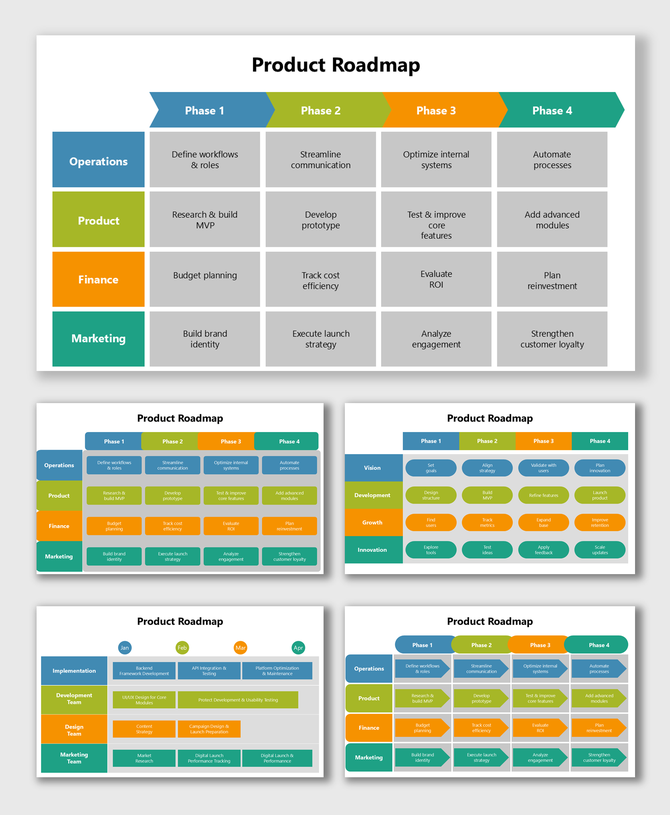
Describe what you sell, but lead with the problem it solves and the benefit a customer gets, not a feature list. A reader should understand why someone pays for this before they understand exactly how it works. If you hold any patents, trademarks, or exclusive supplier relationships, this is the section to state them, since they’re part of what makes the business defensible.
Step 6: Marketing and Sales
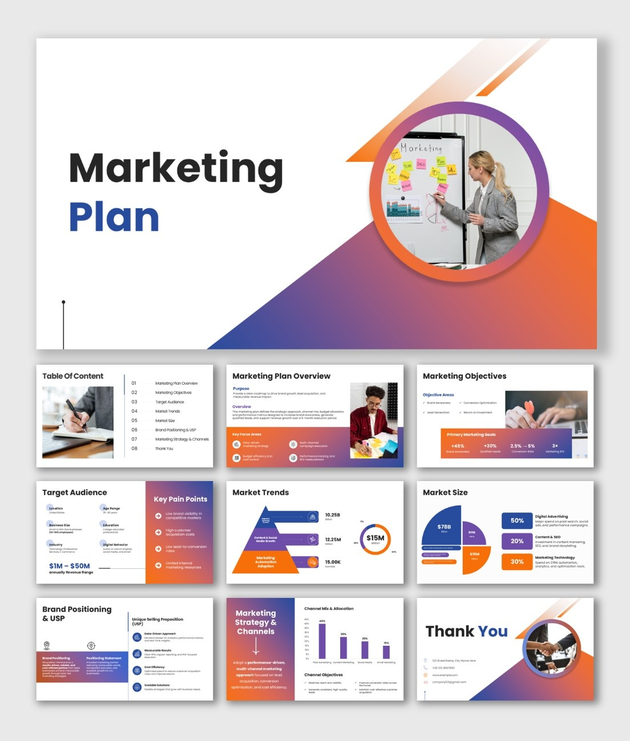
Explain how customers will find out you exist and how a sale happens in practice, not marketing in the abstract. Name the specific channels you’ll use, referrals, paid ads, a direct sales team, partnerships, and why those channels fit how your specific customers already make buying decisions. Then walk through your sales process end to end: how a lead becomes a paying customer, and roughly how long that takes. A plan that lists channels without a sales process reads as unfinished to anyone who’s evaluated one before.
Step 7: Funding Request
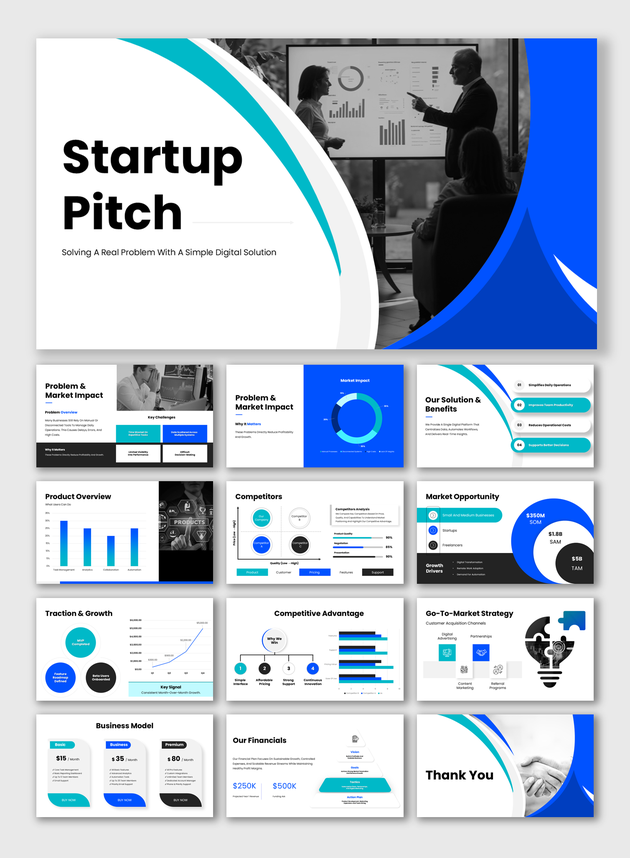
Include this section only if you’re genuinely asking for money. State exactly how much you need, whether you want debt or equity, and the terms you’re hoping for. Then break down what the money is for, equipment, inventory, payroll, and over what time period, ideally the next three to five years. Vague funding requests, “we need capital to grow,” are the fastest way to lose an experienced investor’s attention.
Step 8: Financial Projections
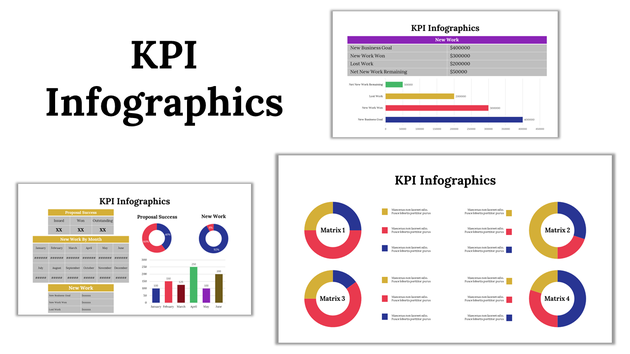
This section carries the most weight and the most common mistakes. At minimum, build three things: a projected income statement, a cash flow statement, and a balance sheet, typically projected 12 months out in detail and by year after that. Two things matter more than the spreadsheet itself. First, know your break-even point, the exact revenue level where the business stops losing money, since it’s usually the first number an experienced reader checks. Second, keep every assumption honest and defensible: underestimating startup costs and working capital needs before revenue arrives is one of the most common, and most costly, mistakes in this section. A projection only holds up if you can explain where every number came from when someone pushes back on it.
Step 9: Appendix
Use the appendix for anything that supports the plan but would slow down the main sections: resumes, permits and licenses, letters of reference, product images, or detailed financial backup. Keep it organized and referenced from the relevant section rather than dumped at the end unlabeled; a reader should be able to find the resume mentioned in your management section without hunting through fifteen pages of documents.
Common Mistakes That Sink an Otherwise Good Plan
A few patterns show up often enough to call out directly. Market analysis built entirely on secondary research, with no evidence anyone talked to an actual customer, reads as unproven. Financial projections with no visible assumptions behind them get discounted immediately by anyone who’s reviewed one before. An executive summary drafted first and never revised after the rest of the plan changed is one of the more common tells that a plan was rushed. And a funding request without a specific number or specific use of funds signals the founder hasn’t done the math yet, which is rarely reassuring to whoever’s deciding whether to write a check.
Once It’s Written: Turning It Into Something You’ll Present
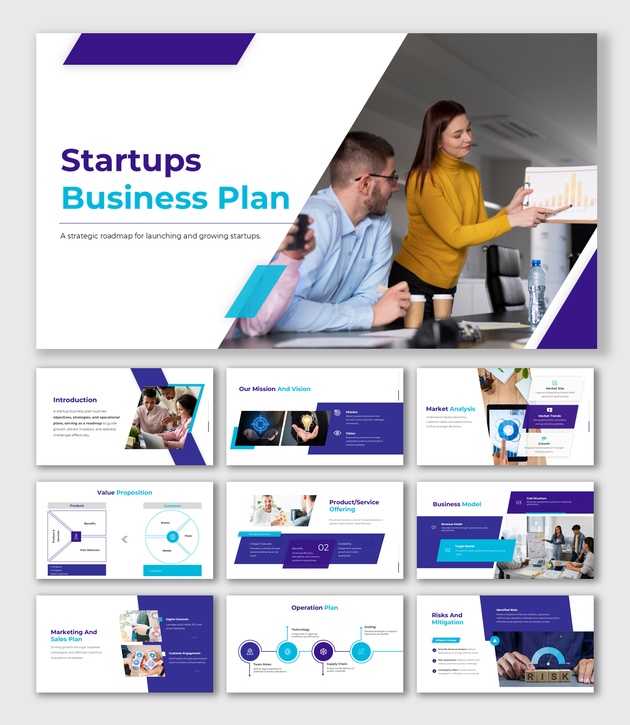
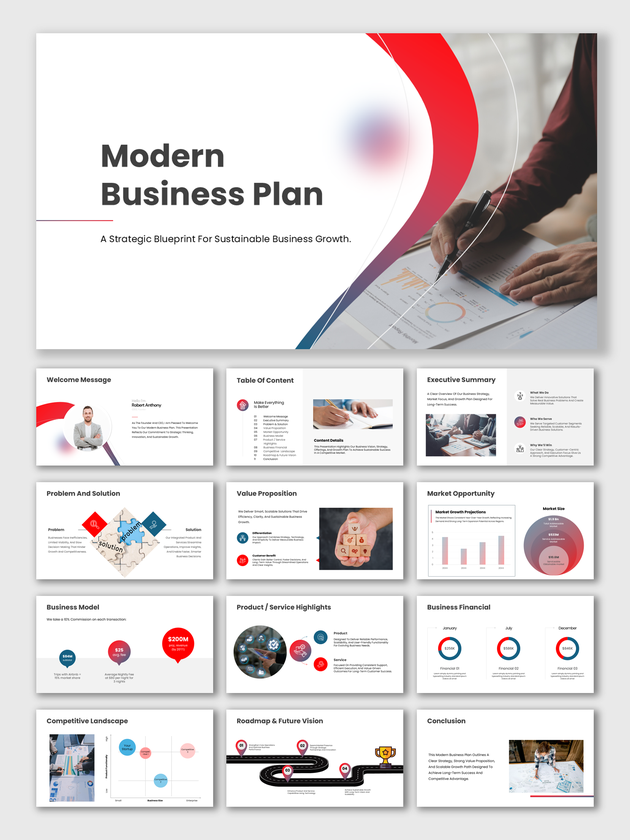
Everything above produces a written document, the kind a bank, investor, or your own planning file expects. If you also need to present that plan out loud, that’s a separate exercise: cutting nine dense sections down to one idea per slide, adding visuals in place of paragraphs, and pacing a narrative a room can follow in fifteen minutes. Our guide to building a business plan presentation in PowerPoint picks up exactly where this one leaves off. A business plan template gives you a structured starting point for either version, and SlideEgg’s AI Presentation Maker can turn a finished plan into a first-draft deck in minutes if you’d rather start from your written content than a blank template.
Questions People Actually Ask
How long should a business plan be?
The SBA doesn’t set a fixed length, and it depends which format you’re writing. A traditional plan commonly runs 15-30 pages once every section is filled out. A lean plan is meant to fit on a single page. Neither is wrong; they’re built for different purposes.
What’s the difference between a traditional and lean business plan?
A traditional plan is comprehensive and detailed, the kind a bank or investor usually wants. A lean plan is a high-level summary of the same key points, built to be written in under an hour. Most lenders will eventually want the traditional version even if you start lean.
Do I need a business plan if I’m not seeking funding?
Not a formal one. If no one outside your business will ever read it, a lean plan is usually enough to force clarity on your market, costs, and plan for making money, without spending days writing sections a bank or investor would expect but you don’t actually need.
What’s the difference between this guide and a business plan template?
A template gives you the structure to fill in. This guide is about how to actually develop what goes into each section, researching your market, building honest financial projections, and writing an executive summary that holds up. Use them together: this guide for the thinking, a template for the document itself.
Can I turn a written business plan into a presentation later?
Yes, and it’s a separate skill from writing the plan itself. Once the content in this guide is done, converting it into slides means cutting it down to one idea per slide and adding visuals, which is a different exercise from the writing covered here.
Ready to turn this into a document or a deck?
Start from a business plan template and customize it with AI in minutes.