Creating a presentation about the environment is more than just showing facts — it’s about inspiring people to care and take action. Whether you’re a student, teacher, or eco-enthusiast, a good environmental awareness presentation can make a big impact. In this blog, we’ll guide you step by step to help you build a strong, clear, and meaningful presentation that connects with your audience.
🤔 What Is an Environmental Awareness Presentation?
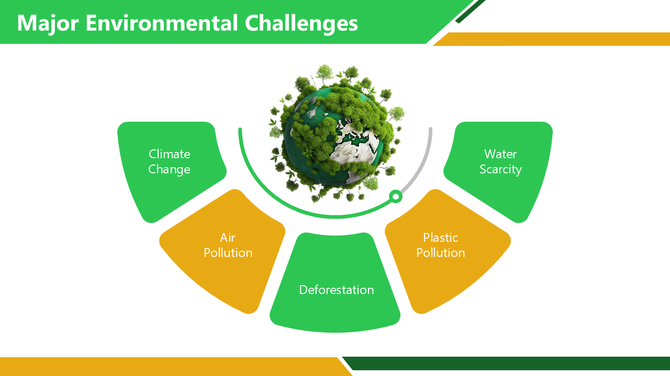
An environmental awareness presentation talks about issues that affect our planet — like pollution, climate change, deforestation, or plastic waste. The goal is to help others understand the problem and show ways to protect the earth.
This kind of presentation usually includes:
- Real facts and stats
- Easy visuals like charts or images
- Clear messages that inspire action
Why Is It Important to Talk About the Environment?
Our earth is changing fast. Ice is melting, forests are disappearing, and oceans are filling with plastic. Many people don’t know the full picture. That’s why your presentation matters. It can help people:
- Learn about real environmental problems
- Understand how it affects their lives
- Get motivated to make better choices
Example: Did you know that over 1 million seabirds die each year because of plastic pollution? Sharing facts like this can really open people’s eyes.
Step-by-Step: How to Create Your Environmental Presentation
1️⃣ Pick a Clear Topic
Don’t try to cover every problem. Choose one simple and strong topic for your presentation. This helps your audience stay focused and remember your message.
You could talk about how plastic harms animals, or how saving electricity helps the planet. Picking just one topic keeps things easy for you and clear for your listeners. It also helps you find the right pictures, facts, and ideas to support your message.
💡 Why It Works:
When you choose a focused topic, you avoid confusing your audience and make your message more powerful.
2️⃣ Know Your Audience
Before you create your slides, think about who you are speaking to. Are they school children, college students, or adults? Do they know a little about the environment or are they learning for the first time?
Knowing this will help you choose the right tone, words, and examples. For kids, keep it fun and simple. For older groups, share real-life examples, current events, or data to back up your points.
💡 Why It Works:
When you speak in a way your audience understands, they will listen more and learn better.
3️⃣ Start With a Strong Message
Your first few words matter a lot. A powerful opening makes people want to keep listening. It should connect with the topic and grab attention.
You can start with a shocking fact, ask a question, or share a short personal story. This helps people care about the topic from the beginning.
💡 Why It Works:
A strong start builds interest, makes your talk feel exciting, and gives your audience a reason to care about the issue.
4️⃣ Use Simple Slides
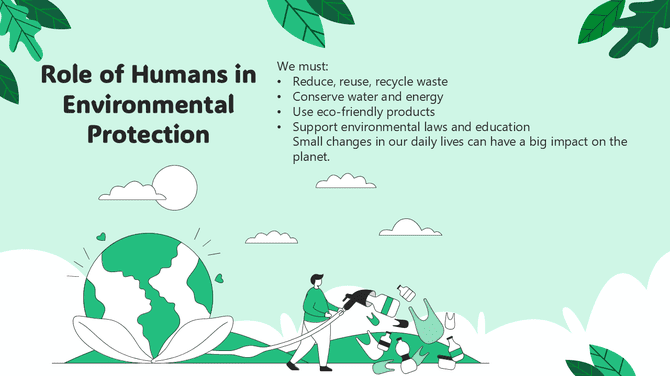
Your slides should be clean and easy to read. Don’t fill them with too much text or too many colors. Keep only the main points on each slide and let your words explain the rest.
Use large fonts, soft colors, and helpful pictures. You can also use icons and symbols to make the slide look neat and modern.
💡 Why It Works:
Simple slides help your audience understand better and stay focused on what you are saying.
5️⃣ Add Real Stats and Stories
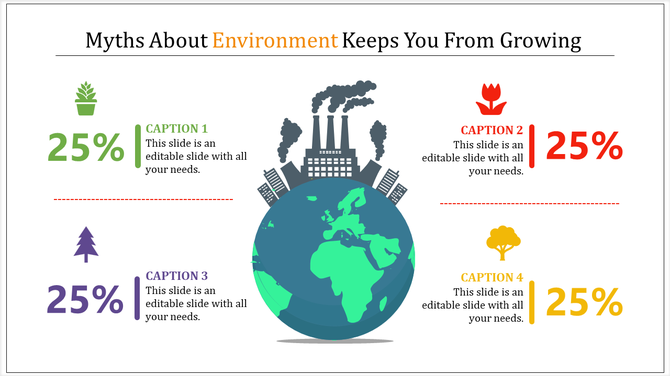
Facts give proof, but stories touch the heart. Include both. Real data shows the truth. Stories make people feel connected.
For example, tell about a beach cleanup done by students, or share numbers like how many animals are hurt by plastic each year. These details help your message stay in people’s minds.
💡 Why It Works:
Stories create emotional connection, while facts build trust. Together, they make your presentation stronger.
6️⃣ Offer Solutions
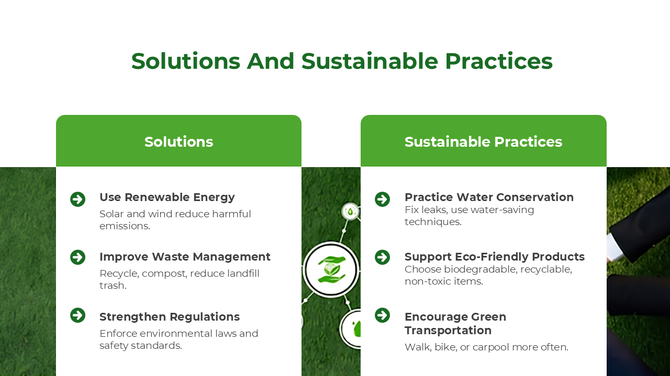
After talking about the problem, show your audience how they can help. People want to know what they can do to make a difference.
Give small and simple tips — like using a cloth bag, turning off the fan when not needed, or planting a tree. These are actions that anyone can try.
💡 Why It Works:
When people see easy steps they can take, they feel hopeful and ready to help the planet.
7️⃣ End With a Call to Action
Finish with a clear and strong message. Ask your audience to do something small but helpful — like share your message, start a clean-up club, or reduce plastic use.
Your ending should be hopeful and positive. Make people feel like they can truly make a change.
💡 Why It Works:
A powerful ending leaves a lasting impression and motivates your audience to act right away.
💡 Slide Ideas to Include in Your Presentation
Here are some PowerPoint slide you can use:
| Slide Title | What to Include |
| 🌏 Our Planet’s Problem | Show a big fact about pollution or climate |
| 💔 What’s At Risk | List what we could lose (animals, trees, etc.) |
| 🛠️ What Causes It? | Simple reasons – plastic, cars, waste |
| 💡 What Can We Do? | Easy actions – reuse, recycle, plant trees |
| ✅ Final Message | End with one strong takeaway idea |
🧑🏫 Tools to Help You Create the Presentation
- PowerPoint – to design your slides easily
- SlideEgg – to get pre-made environmental templates
- Canva – for adding creative designs and visuals
- Google Trends – to find what topics people are searching
🏁 Final Thoughts
Creating an environmental awareness presentation is one of the best things you can do to help the planet. It doesn’t take much time or money — just a strong message, clean slides, and the will to share.
Use tools like PowerPoint and free slide templates to save time. Keep your words simple, your ideas clear, and your heart open to nature. Whether it’s in a classroom or online, your presentation can create real change.
🌱 Let’s make Earth better — one slide at a time.
🙋 Frequently Asked Questions (FAQs)
1. What should I focus on in my environmental presentation?
Pick one strong issue like plastic waste or climate change and build your talk around it.
2. How many slides are best for a short awareness talk?
About 5–7 slides are enough for a 10-minute talk.
3. Where can I find free slides for my topic?
You can use websites like SlideEgg or Canva for ready-to-edit presentation templates.
4. Can I add videos or audio to my presentation?
Yes! Short videos or nature sounds can make your presentation more powerful.
5. How can I make my talk more interesting?
Use stories, visuals, simple language, and ask questions to involve your audience.