Free Functional Organizational Structure Presentation Templates
Organize your company by expertise with our Functional Organizational Structure templates. These layouts group employees based on their skills, such as Marketing, Finance, or IT. Unlike complex matrix grids, these charts create clear, vertical reporting lines. Fully editable in PowerPoint, Google Slides, and Canva. Download your template now!
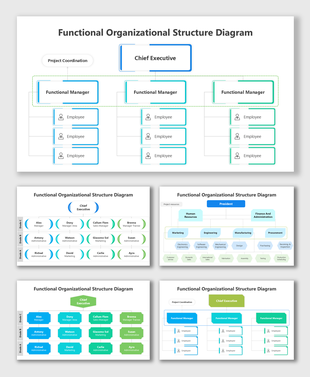
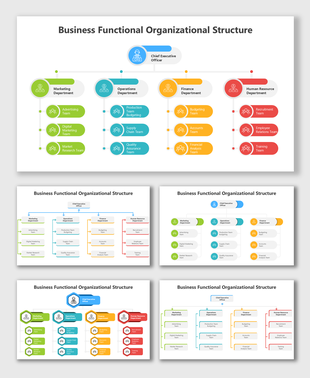
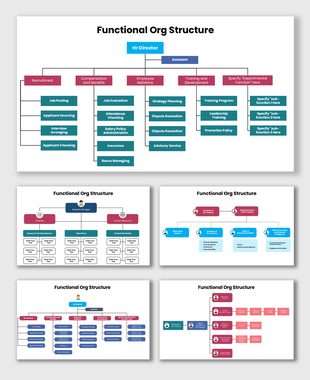
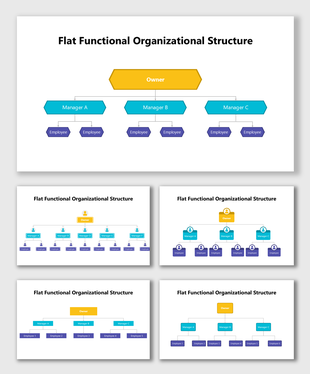
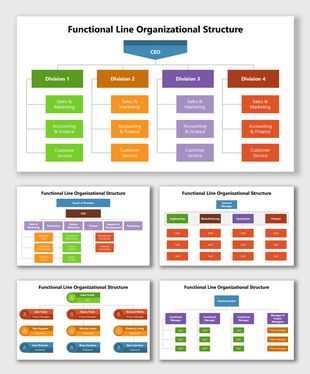
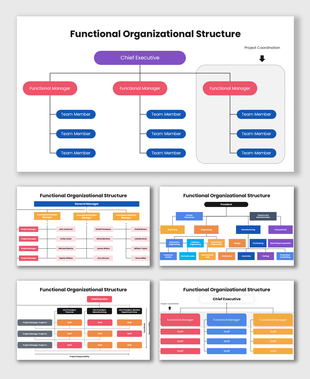
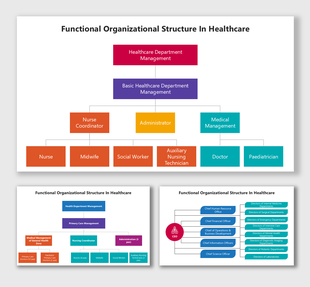
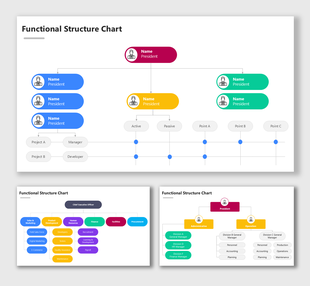
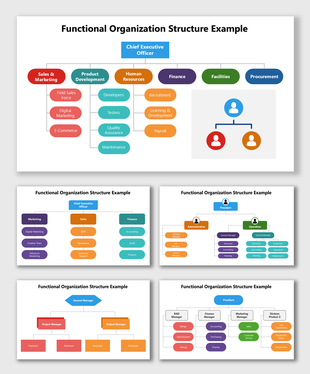
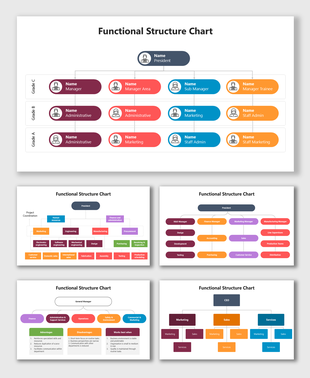
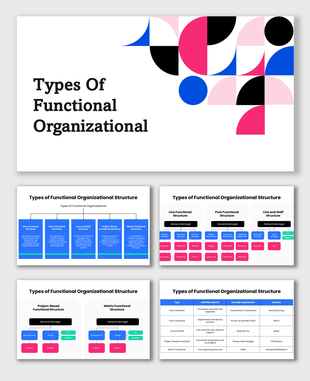
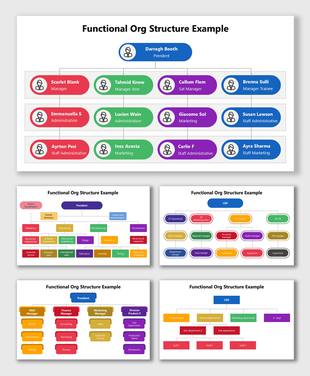
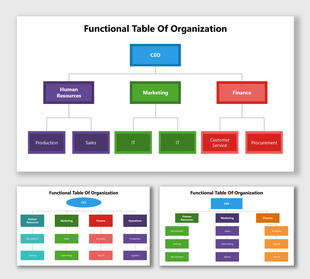
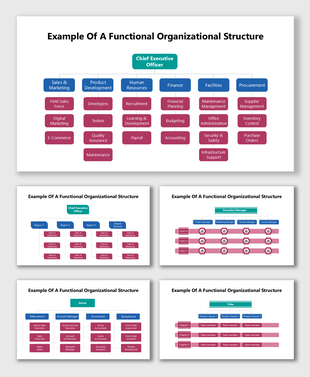
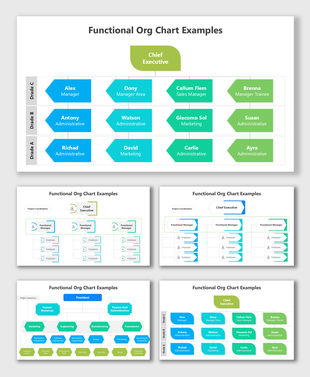
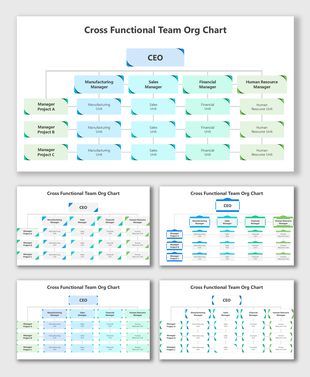
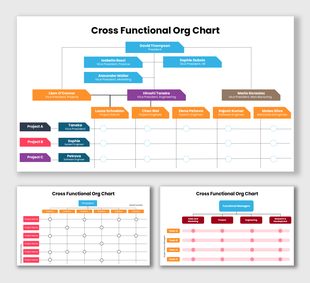
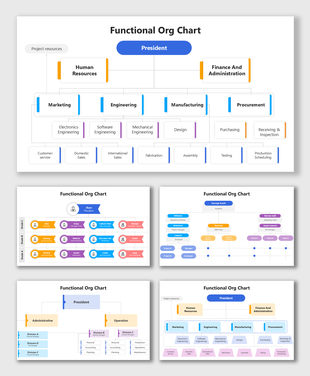
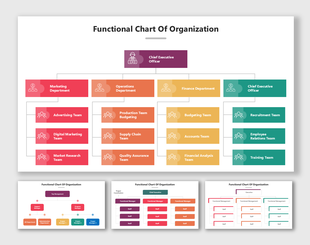
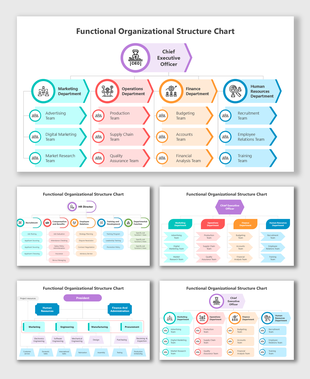
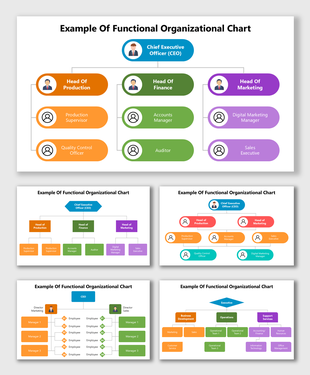
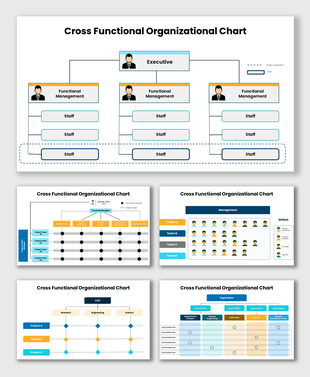
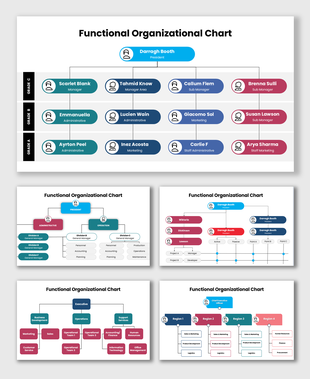
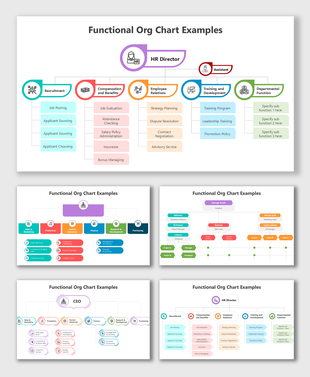
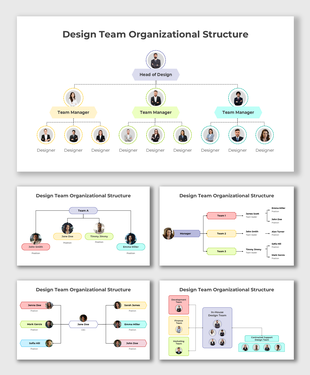
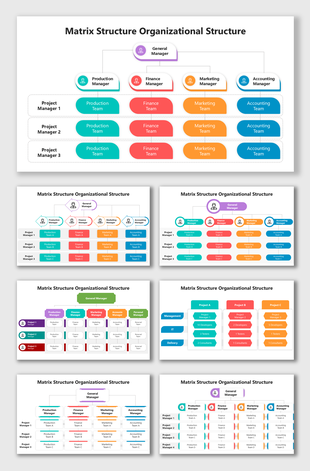
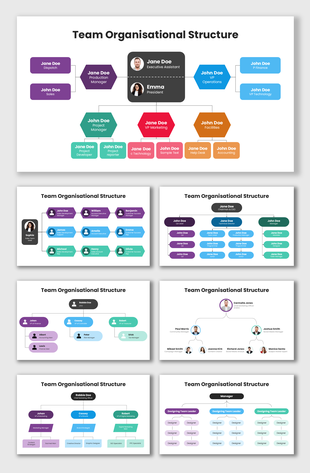
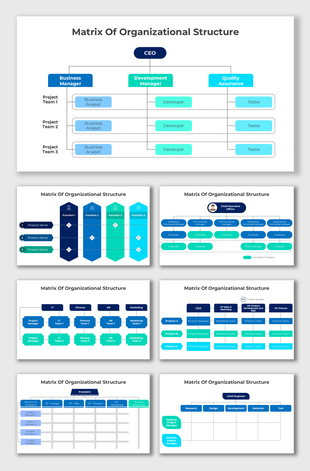
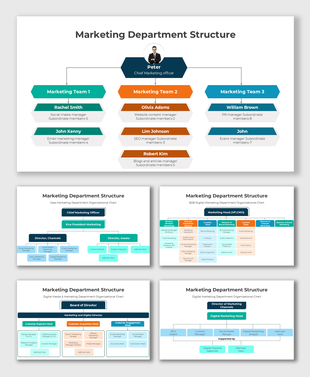
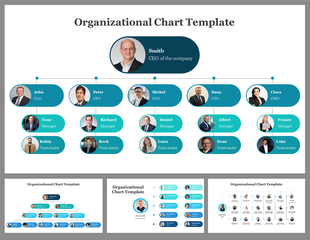
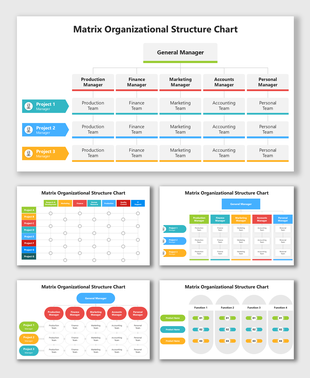
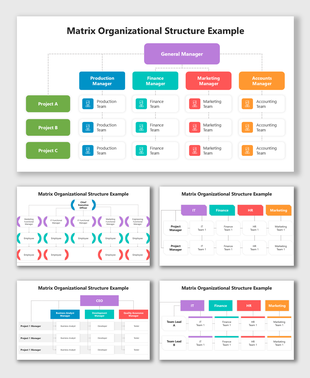
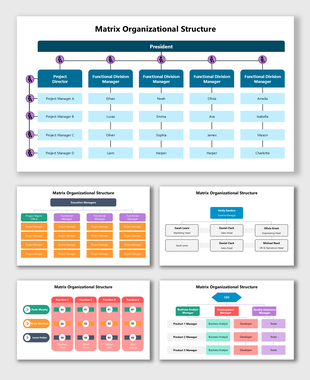
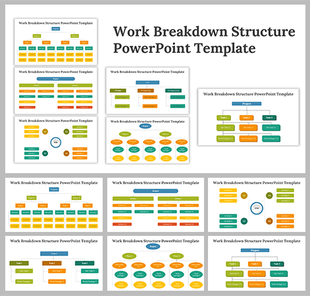
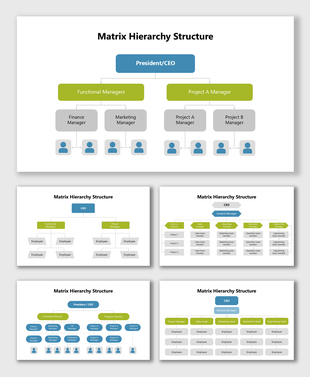
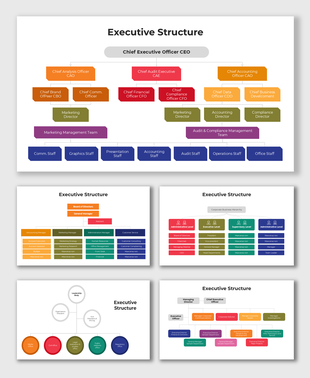
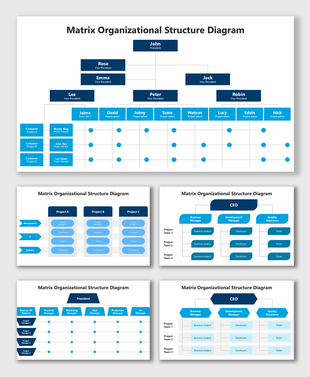
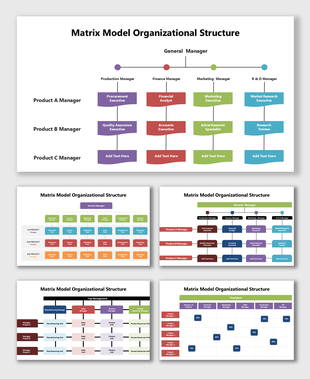
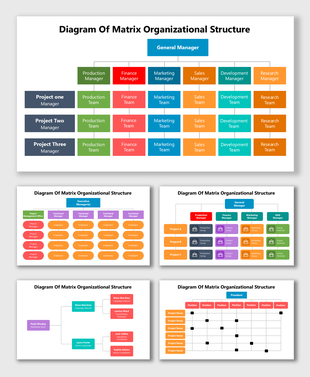
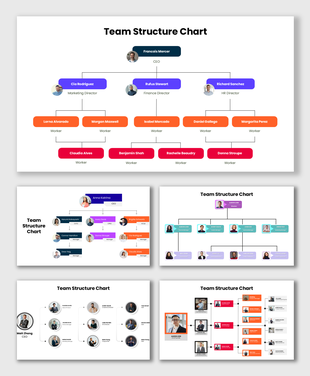
The Standard for Operational Efficiency With Functional Organizational Structure Templates
Why Choose a Functional Structure?
1. Clear Career Paths:
2. Operational Efficiency
3. Scalability
Key Features of Our Functional Organizational Structure Templates
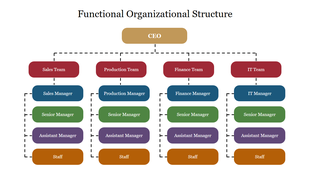
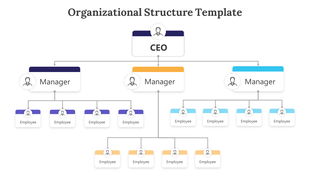
1. Vertical Hierarchy Layouts
- The Head: Space for the VP or Director of the function.
- The Body: Clearly connected boxes for managers and specialists.
- The Flow: Strong vertical lines show exactly who approves work.
2. Color-Coded Departments
- Distinct Zones: Use Blue for Tech, Green for Finance, and Orange for Sales.
- Visual Balance: Our templates align these columns perfectly, so no department looks more important than another.
3. Detailed Role Descriptions
- Text Areas: We include space not just for names, but for specific titles (e.g., "Lead Backend Engineer" vs "Frontend Developer").
- Skill Badges: Add small icons to show certifications or specializations within the function.
Best Practices for Functional Charts
- Don't List Everyone: If a department has 50 people, don't list every intern. List the Managers and Team Leads. Use a "Count" badge (e.g., "+10 Staff") for the rest.
- Balance the Width: If Marketing has 2 people and Ops has 20, the chart looks lopsided. Use our "condensed" layouts to stack the Ops team so the slide stays balanced.
- Show Cross-Collaboration: Even in a functional structure, teams must talk. Use a dotted line to show how the "Sales VP" talks to the "Marketing VP."
Technical Specifications
1. Works with Your Tools
- PowerPoint: The industry standard for secure, professional charts.
- Google Slides: Best for collaborating with Department Heads on the draft.
- Canva: Import to add your company branding and icons easily.
2. Licensing & Specs
- Royalty-Free: Download once, use forever. Perfect for employee handbooks and intranet pages.
- Aspect Ratios: Available in 16:9 (Widescreen) for presentations and 4:3 (Standard) for printed manuals.
Build a Stronger Foundation Today
Functional Organizational Structure Templates: FAQs
What is a Functional Organizational Structure?
It is a chart that groups employees by their specific skills or departments (e.g., HR, Sales, Engineering) rather than by product or region.
How is this different from a Divisional chart?
A Divisional chart groups people by market or product (e.g., "North America Division"). A Functional chart groups them by job role.
Is this good for small businesses?
Yes. It is the best structure for small-to-medium businesses because it is simple, efficient, and cheap to manage.
Can I add more departments to the template?
Yes. The slides are modular. You can copy a whole column (like "Marketing") and paste it to create a new one (like "Legal").
Do these templates work in Canva?
Yes. You can select the "Canva" option directly from the download menu. This opens the template instantly in Canva for easy editing.
How do I show large teams on one slide?
We recommend listing only leadership on the main slide. Use separate "Department" slides for the full staff lists.
Can I print these for our office wall?
Yes. The templates are high-resolution vector graphics. You can print them on large paper without them getting blurry.