160+ Fish Bone Presentation Templates
Everyone has ideas about what went wrong. Most teams ignore half of them. Fishbone diagrams help you listen to perspectives without dismissing anyone. You might find the real cause in someone's input.
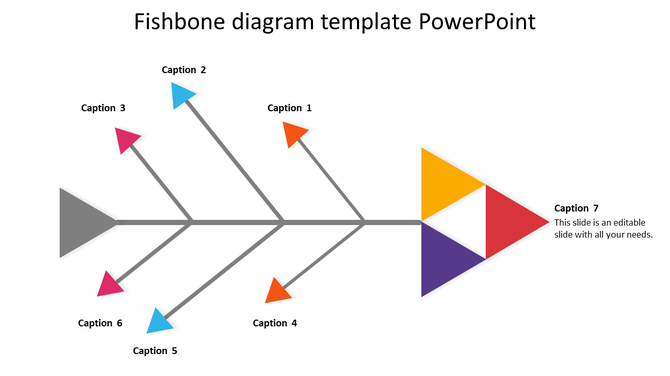


Problem-Solving Made Simple with Free Fish Bone PowerPoint Templates and Google Slides Themes!
- Cause And Effect: See how different reasons lead to your main problem.
- Free Ishikawa Diagram: Get a detailed look at complex issues for free.
- Root Cause Analysis: Find the deepest reasons behind problems.
- Fishbone Analysis: Step by step, explore all possible causes.
- Good Looking: With colors and designs that catch the eye.
- Simple to Use: Easy to change and ready to use in your talks.
Explore Similar Collections
Frequently Asked Questions
1. How do I present a fishbone diagram so my team understands it?
Make it visual and clear. Fishbone templates do that automatically. Your analysis is already complex — the diagram shouldn't be. Templates ensure the design doesn't get in the way of your message.
2. I'm presenting this to leadership. Will it look professional?
Yes. Templates are built for that exact scenario. You're presenting analysis, not showing off design skills. Templates let leadership focus on your findings, not on how the diagram looks.
3. My team is spread across locations. How do I share this effectively?
Digital templates export cleanly to PDF, images, and slides. Your diagram looks the same whether it's projected, emailed, or printed. No formatting issues, no surprises.
4. What if people misunderstand the diagram?
Clear structure helps. Templates organize causes logically so people follow your thinking. When the diagram is easy to read, your message gets through. That's the whole point.
5. Can I walk through the diagram step-by-step in a presentation?
Yes. You can animate it, reveal causes one at a time, or walk through it verbally. Templates are flexible enough for live presentations or static reports.
6. How do I make sure everyone sees this the same way?
Consistent design helps. When everyone's working from the same template, the diagram looks unified. People see the same structure you're seeing. No confusion from mismatched visuals.
7. This diagram will be in our report. Does it need to look a certain way?
Yes. Professional formatting matters in documents. Templates ensure your diagram fits your report's standards. It looks intentional, not thrown together.