We know a lot about our audience. Professionals, tutors, and artists who need slide materials. But we do know one more thing: SlideEgg has always focused on covering the topics our readers truly need, helping them create impactful and engaging presentations. Now, we see an opportunity to expand that value by offering more presenting tips tailored for people who work from home. This subject fits seamlessly with our audience’s interests—professionals, educators, and entrepreneurs looking to excel in virtual settings. By adding this focus, we continue our commitment to providing timely, relevant, and actionable guidance that empowers readers to overcome remote-work challenges, enhance their presentation skills, and communicate with confidence from anywhere.
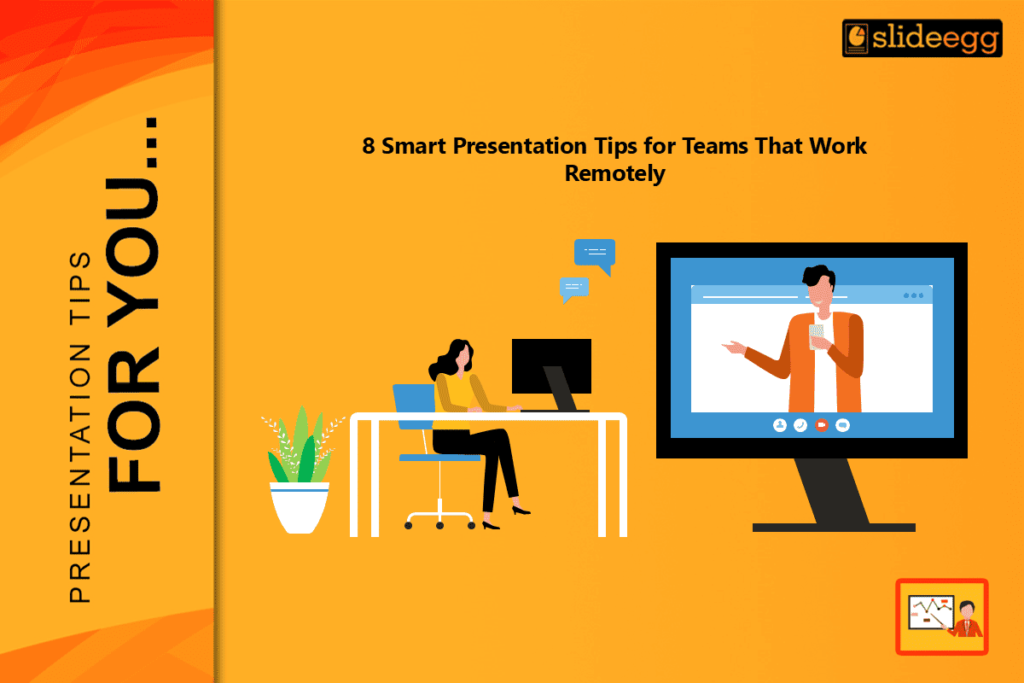
If you’re making slides for a remote team or giving a presentation to people who are in different places, the task is more than just good design. There are several particular problems with virtual settings, like slowness on the Internet, poor screen sharing quality, and the chance that your viewers will lose interest if they are far away. That’s why your slides need to be clear, easy to read, and safe from beginning to end.
Using Private Internet Access’s USA VPN is a simple way to keep your connection safe while you download templates or work with coworkers online. But the most important thing is how you prepare, develop, and give your presentation once you’re connected. Here are eight useful strategies to make your presentations seem great when you’re not in the same room.
1. Use Templates That Are Easy to Read and Change
People in your audience could be looking at your work on a 24-inch monitor, a tablet on the go, or even a phone while they are on the bus. People will stop paying attention soon if your slides are too busy or full of text. Pick themes that have basic layouts, big headlines, and lots of white space.
SlideEgg has a great collection of professional presentation templates with flexible designs that let you keep track of your information in a style that is easy to understand. These kinds of themes save you time and make sure that your presentations look well on all devices and platforms.
2. Put Fonts and Contrast in First Place
Text that’s hard to read is the most annoying thing for an online audience. In a live conference room, subdued lighting assists, but online, you have to deal with glare, distractions, and smaller screens. To keep things readable, use combinations with a lot of contrast, such as dark text on light backgrounds or the other way around.
Use fonts that everyone can read, such Arial, Calibri, or Roboto. If you use custom fonts, your slides might not look right when you open your presentation on another computer. This could make the slides look different. Standard, safe fonts may appear simple, but they make sure your message is always apparent.
3. Use Animations Smartly
Animations are fantastic for expressing stories, but too much movement in online presentations can be bad for you. If your audience has low bandwidth, overloaded effects will stutter, which can make it hard for them to hear your message. Instead, pick animations that are unobtrusive and have a purpose, such as fade-ins or plain reveals.
These effects make your material interesting without making it too much for your viewers or slowing down their internet connection. Keep in mind that seamless delivery is more important than spectacular transitions in remote presentations.
4. Make Multimedia Better for Streaming
Video clips or audio samples can make your message better, but big files that are placed in your presentation can make it slower. This often causes buffering or faulty playback when sharing a screen. What’s the answer? Before embedding, compress the material or link to versions that are hosted on the cloud instead.
Include a thumbnail that takes people to a short film on Google Drive or Dropbox, for example. This keeps your deck light and makes sure your viewers can get to high-quality media without stopping your flow. It also makes it easy to share the file itself because you won’t have to email attachments that are too big.
5. Keep Your Presentation Files Safe
You can’t risk sharing slides that have critical corporate information, including financial statistics, product roadmaps, or customer strategies, without security. Instead of sending files as email attachments, always send them through services that encrypt them, such as Microsoft OneDrive or Dropbox Business.
To feel further safer, put a password on your PowerPoint file before you submit it. That way, only the people who are supposed to get it can open it, which lowers the danger of information breaches. In today’s world, protecting your presentation is just as vital as making it.
6. Keep Track of Versions and Add Notes
It’s simpler to talk about working together than it is to actually execute it when your team isn’t in the same room. Files can go around quickly, and all of a sudden, there are three different versions. Use consistent filenames with version numbers or dates to avoid misunderstanding. For example, “Marketing_Update_v2_Aug16_2025.pptx”.
Use slide notes to add context to the pictures. Your coworkers might look at the file without your voice, so written notes assist them in comprehending what you were thinking and what you wanted to say. This makes working together asynchronously much more useful.
7. Add a Slide with a Summary
Virtual audiences have a lot of things that can keep them from paying attention, like email alerts, chat messages, and even noise in the background. That implies it’s easy to miss your main points. A closing summary slide helps your audience remember your important points and offers them something to think about after the call concludes.
You can also save this slide as a one-page PDF to distribute later. It’s a simple yet effective approach to make sure your audience stays on track with your presentation’s goals.
8. Give Remote Viewers Quick Help
Not everyone who watches is good with technology, so it’s easy to forget that. A short “How to View This Deck” slide at the beginning, which says whether it’s preferable to see it in slideshow mode or how to go between slides, makes it clear what to expect.
This one tiny step clears up any confusion and makes things easier for everyone. It indicates that you care about your audience’s requirements, not just how you convey the message.
Bonus: Things You Should Never Do
It’s easy to get into bad habits that hurt your presentation, even when you know what to do. Be careful of these three things:
- Putting too much text on slides: Long paragraphs make it hard to pay attention. Keep your points short and to the point, and explain them out loud.
- Not practicing on the platform you’ll be using: Always test your deck on the real platform (Zoom, Teams, Google Meet) you’ll be using. What appears fine offline may not work the same way online.
- Not paying attention to accessibility: Don’t just use color to get your point across; add icons, labels, or patterns as well so that people who can’t see colors may understand too.
Your message will have more effect and your audience will stay interested if you avoid these blunders.
Why These Tips Are Important
Businesses, teachers, and creatives all do remote presentations every day now. This means that how you design your slides has a direct effect on how well your message gets across. You can make sure that people not only see your material but also understand it by focusing on clarity, safety, and user experience.
If you want to make digital collaboration safer, secure file-sharing options, such as Signal, Box, or pCloud, are what you need. You’ll have everything you need to make interesting, professional presentations that connect with people who are far away when you use SlideEgg’s free template collection.