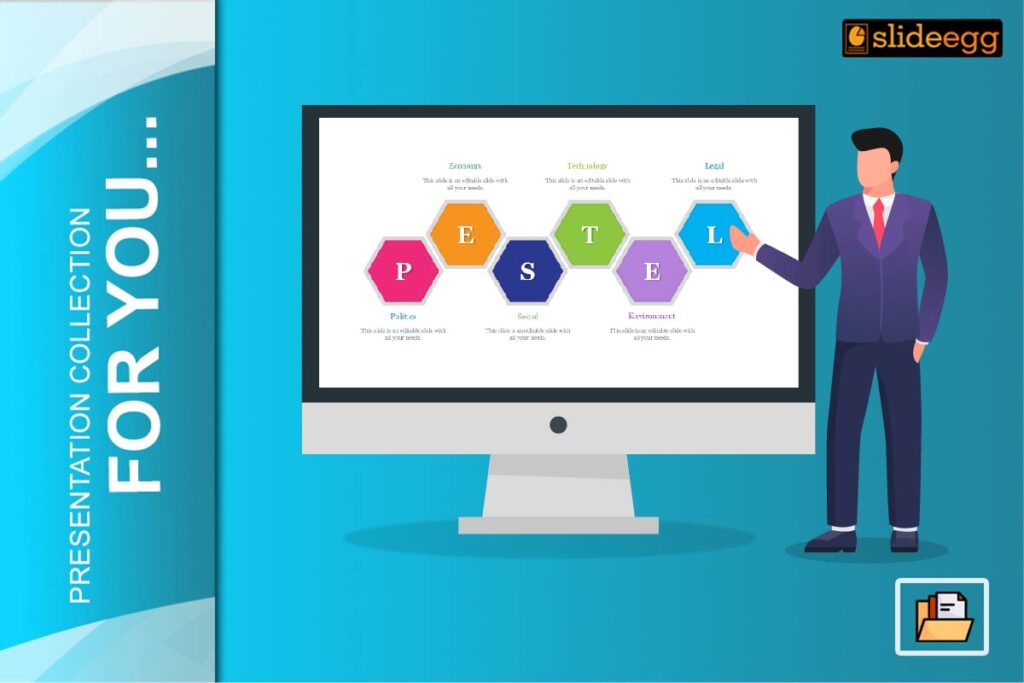
Introduction to PESTEL Analysis
PESTEL analysis is a simple and helpful tool that helps businesses understand the world around them. Think of it like checking the weather before going out – you need to know what’s happening outside before making decisions!
PESTEL stands for six important things:
- P – Political (Government rules and laws)
- E – Economic (Money and business conditions)
- S – Social (People and society)
- T – Technological (New technology and tools)
- E – Environmental (Nature and climate)
- L – Legal (Laws and regulations)
When you create a PESTEL analysis presentation, you help people understand how these six areas affect a business or project.
What is PEST Analysis?
PEST analysis is like a special lens that helps you see how outside forces affect your business. PEST analysis is a tool that product managers can leverage to gain insights into external forces that may impact their products.

Imagine you want to open a small shop. You need to think about:
- What rules does the government have? (Political)
- Do people have money to buy things? (Economic)
- What do people like to buy? (Social)
- Are there new ways to sell things? (Technological)
This is exactly what PEST analysis helps you do!
PEST vs PESTEL Analysis: What’s the Difference?
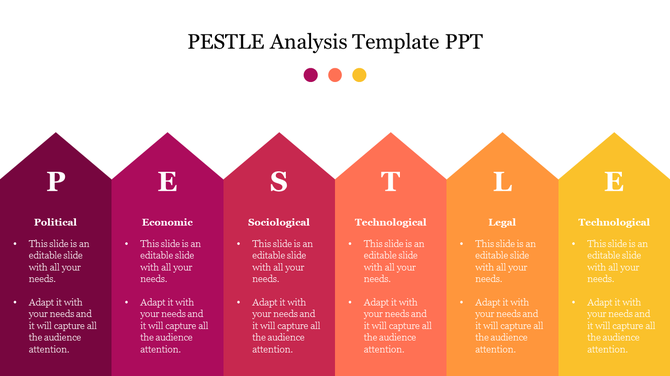
While PEST analysis focuses on four main factors, many businesses today use PESTEL analysis, which includes two additional important areas. PESTEL stands for Political, Economic, Social, Technological, Environmental, and Legal factors. The Environmental factor looks at things like climate change, weather patterns, pollution levels, and environmental regulations that might affect your business. For example, if you run a farming business, you need to think about rainfall patterns and temperature changes. The Legal factor examines specific laws, regulations, court decisions, and legal requirements that are separate from general political factors. This might include employment laws, consumer protection rules, or industry-specific regulations. Many modern businesses prefer PESTEL analysis because it gives a more complete picture of external factors, especially with growing concerns about environmental impact and increasingly complex legal requirements. When creating presentations, you can easily expand your PEST analysis to include these two additional factors using the same simple structure and design principles.
Why PESTEL Analysis Presentations Are Important
PESTEL analysis presentations help teams and businesses in many ways:
1. Better Decision Making
When you understand what’s happening around your business, you can make smarter choices. It’s like having a map when you’re going somewhere new.
2. Planning for the Future
PEST analysis helps you prepare for changes that might happen. Geopolitical tensions: Continued or escalating conflicts in regions like Ukraine or the South China Sea could impact supply chains, resource availability, and global economic stability.
3. Avoiding Problems
By looking at all four areas, you can spot problems before they happen and find ways to solve them.
4. Finding Opportunities
Sometimes changes in politics, economy, society, or technology create new chances for success.
Step-by-Step Guide to Creating a PESTEL Analysis Presentation
Step 1: Gather Your Information
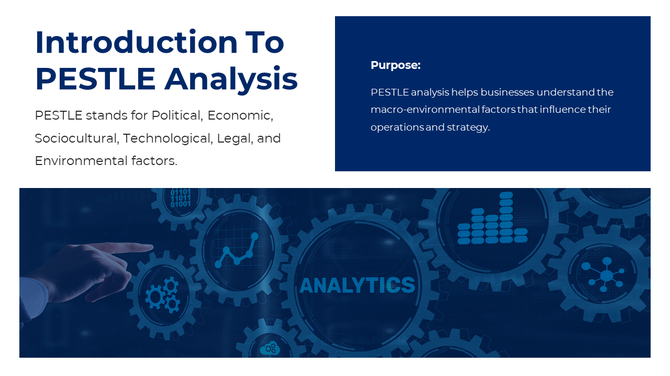
Research is the foundation of any good PESTEL analysis. You need to collect current and relevant information about each of the six factors that could affect your business. Think of this as building a knowledge base that will help you make smart decisions.
Research Political Factors Focus on government policies and political stability that directly impact your industry.
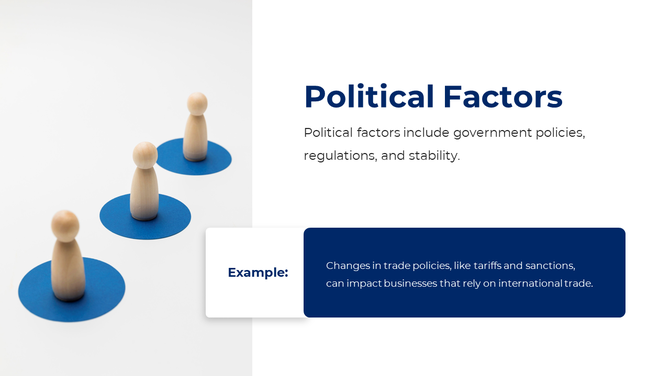
- Government policy changes
- Political stability and elections
- Trade regulations
Research Economic Factors Understand the economic environment where your business operates.
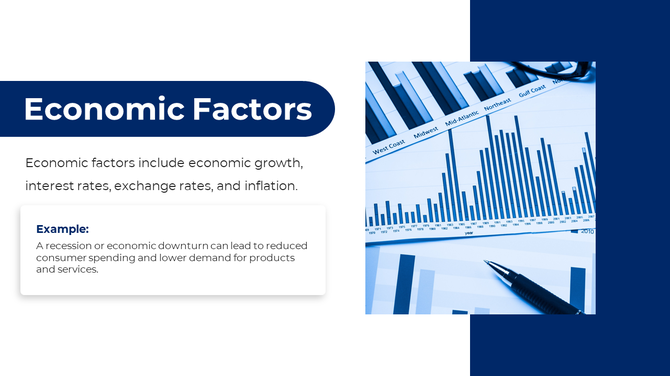
- Market trends and economic growth
- Inflation rates and interest rates
- Consumer spending patterns
Research Social Factors Study how society and culture influence your business opportunities.
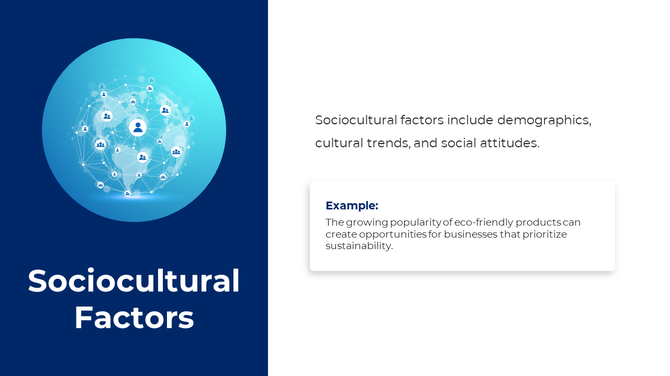
- Population demographics
- Cultural trends and values
- Consumer behavior changes
Research Technological Factors Stay updated on technology that could change your industry.
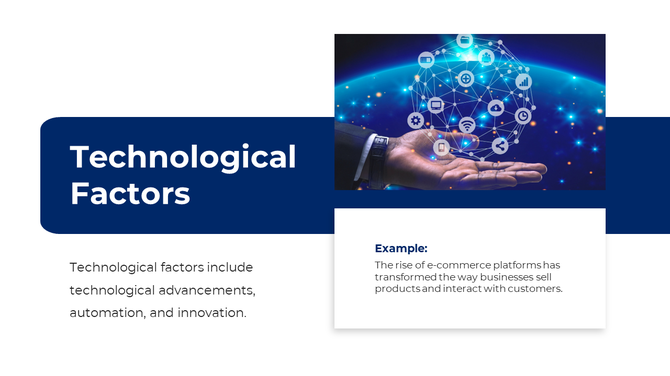
- New technologies and innovations
- Digital transformation trends
- Automation opportunities
Research Environmental Factors Consider environmental impacts and sustainability requirements.
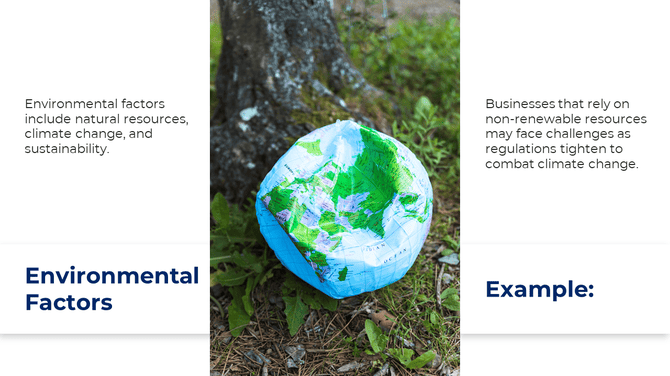
- Climate change effects
- Environmental regulations
- Sustainability trends
Research Legal Factors Understand the legal landscape affecting your business operations.
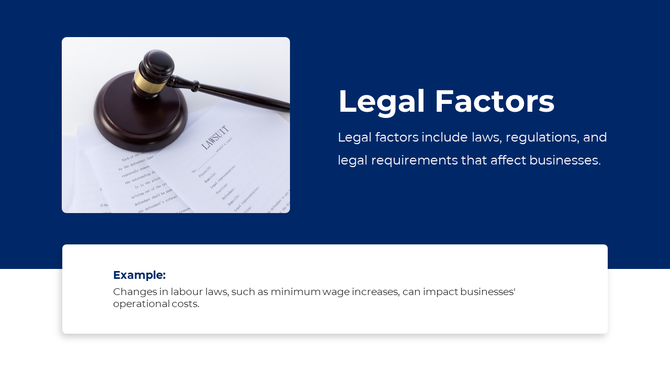
- Industry-specific regulations
- Compliance requirements
- Legal changes on the horizon
Step 2: Choose the Right Template
Select a professional PESTEL analysis PowerPoint template that makes your PESTEL analysis easy to understand and visually appealing. The right template saves time and ensures consistency throughout your presentation.
Choose a template that includes:
- Clear sections for all six PESTEL factors
- Professional design with readable fonts
- Space for charts and examples
Step 3: Structure Your Presentation
Create a logical flow that guides your audience through each factor systematically. A well-structured presentation helps people understand complex information easily.
Opening Slides (Slides 1-2)
- Title slide with presentation name and date
- Introduction explaining PESTEL analysis purpose
Factor Analysis Slides (Slides 3-8)
- One dedicated slide per PESTEL factor
- Key findings with business impact
- Real examples and supporting data
Closing Slide (Slide 9)
- Summary of key findings
- Action recommendations
- Next steps for implementation
Step 4: Design Your Slides
Make your presentation visually appealing and easy to follow. Good design helps your audience focus on the content rather than struggling to read or understand the slides.
Keep Content Simple
- Use short sentences and simple words
- Limit bullet points to 3-4 per slide
- Include relevant examples
Use Professional Colors
- Choose 2-3 main colors maximum
- Ensure high contrast for readability
- Maintain color consistency
Add Visual Elements
- Use icons for each PESTEL factor
- Include charts for important data
- Add relevant images to support points
Step 5: Add Real Examples
Bring your analysis to life with specific, relevant examples that your audience can relate to. Examples make abstract concepts concrete and help people understand the real-world impact.
Political Example: “New trade tariffs will increase our import costs by 15% starting next quarter.”
Economic Example: “Rising inflation is causing our raw material costs to increase by 12% this year.”
Social Example: “Remote work trends have increased demand for our home office products by 40%.”
Technological Example: “AI automation tools are helping us reduce processing time by 30%.”
Environmental Example: “Carbon emission regulations require us to switch to renewable energy by 2025.”
Legal Example: “New data protection laws mandate updated privacy policies and security measures.”
Design Tips for Easy Understanding
Keep It Simple
- Use large, clear fonts
- Leave plenty of white space
- Don’t put too much information on one slide
- Use consistent formatting
Use Visual Hierarchy
- Make important information bigger
- Use bold text for key points
- Create clear headings
- Use colors to highlight important items
Make It Interactive
- Ask questions to engage your audience
- Use polls or surveys
- Include discussion points
- Use interactive presentation tool
Consider Your Audience
- Use language appropriate for your audience
- Include examples they can relate to
- Consider cultural differences
- Make it relevant to their interests
Common Mistakes to Avoid
Too Much Information
Don’t try to include everything. Focus on the most important factors that really affect your business.
Unclear Examples
Make sure your examples are easy to understand and directly related to your business.
Poor Visual Design
- Avoid using too many colors
- Don’t make text too small
- Ensure good contrast between text and background
- Keep slide layouts consistent
Ignoring the Audience
- Consider who will be watching your presentation
- Use appropriate language level
- Include relevant examples
- Make it engaging for your specific audience
Tools and Resources for Creating PEST Analysis Presentations
PowerPoint Templates
- Use pre-designed PESTEL analysis templates
- Customize colors and fonts to match your brand
- Add your own content and examples
- Include company logos and branding
Online Design Tools
- Canva: Easy-to-use design platform
- Google Slides: Free online presentation tool
- Slidea: Interactive presentation software
Research Resources
- Government websites for political information
- Economic reports from banks and research firms
- Social media platforms for trend analysis
- Technology news websites for innovation updates
Best Practices for Presenting PESTEL Analysis
Prepare Well
- Practice your presentation multiple times
- Know your content thoroughly
- Prepare for questions
- Have backup slides ready
Engage Your Audience
- Start with an interesting question
- Use stories and examples
- Encourage participation
- Make it relevant to their needs
Keep Time in Mind
- Plan for 10-15 minutes per section
- Leave time for questions
- Don’t rush through important points
- Have a clear conclusion
Follow Up
- Provide a summary document
- Share contact information
- Offer to answer additional questions
- Schedule follow-up meetings if needed
Real-World Examples of PESTEL Analysis
Example 1: Restaurant Business
Political: New food safety regulations Economic: Rising food costs due to inflation Social: Increased demand for healthy options Technological: Online ordering and delivery apps Environmental: Sustainable packaging requirements Legal: Employment law changes for minimum wage
Example 2: Technology Startup
Political: Data privacy laws Economic: Difficulty getting investment funding Social: Remote work trends Technological: Rapid AI advancement Environmental: Green technology demand Legal: Intellectual property regulations
Example 3: Retail Store
Political: Import tariffs on goods Economic: Consumer spending patterns Social: Online shopping preferences Technological: Mobile payment systems Environmental: Sustainable product demand Legal: Consumer protection laws
Conclusion
Creating a PESTEL analysis presentation that’s easy to understand requires careful planning, simple language, and clear visual design. Remember to focus on the most important factors from all six areas that affect your business, use real examples, and keep your audience in mind.
By following the steps and tips in this guide, you can create presentations that help people understand how outside forces affect businesses and make better decisions for the future.
The key is to make complex information simple, use good design principles, and always think about what your audience needs to know. With practice and the right tools, you can create PESTEL analysis presentations that inform, engage, and inspire action.
Remember: A good PESTEL analysis presentation is like a good story – it should be clear, interesting, and helpful for everyone who sees it.
FAQs: PESTEL Analysis Presentation
1. What is PESTEL analysis?
It’s a tool that helps you study six outside factors—Political, Economic, Social, Technological, Environmental, and Legal—that affect a business.
2. Why is PESTEL important?
It helps businesses plan better, avoid risks, and find new opportunities by understanding what’s happening around them.
3. Who can use PESTEL analysis?
Students, business owners, teachers, and teams—anyone who wants to understand how outside forces impact their work.
4. Can I use PowerPoint for PESTEL analysis?
Yes! PowerPoint is great for showing each factor with slides, charts, and visuals to make it easy to understand.
5. How many slides should I include?
Keep it simple with 8–10 slides: one for each PESTEL factor, plus an intro and a summary.