In professional clinical environments, the fidelity of your visual data directly influences the diagnostic clarity of your message.
A linear, text-heavy slide introduces high metabolic cost and cognitive load during patient consultations. It fails to adequately visualize the mechanical pathology of a herniated disc or the hemodynamic complexity of valve failure.
Similarly, presenting novel immunotherapeutic data using low-resolution imagery undermines the statistical rigor of your research and the perceived validity of your findings.
Visual aids must function as clinical instruments, not merely aesthetic backdrops.
To support rigorous medical communication, we curated the 10 essential archetypes from our Medical PowerPoint Templates collection. Each is selected for its anatomical accuracy and specific utility in patient education, surgical planning, and peer review.
Technical Note for Presenters:
- Low-Light Optimization: All templates below are optimized for 16:9 4K displays and tested in low-light environments (Grand Rounds) to reduce eye strain.
- Clinical Accuracy: Anatomical models are designed to support clinical review standards.
1. The “Structure” Deck (Orthopedics)

- Best For: Surgeons & Chiropractors
- Why It Works: Patients often struggle to translate 2D X-Rays into reality. This template uses a high-quality, 3D-rendered spine to bridge that gap.
- The Use Case: Informed consent. Show the patient exactly where the mechanical failure is occurring before surgery.
- Get the Orthopedics Template
2. The “Inside View” Visual (Pulmonary)

- Best For: Pulmonologists
- Why It Works: Lung pressure is invisible from the outside. You need a cross-sectional view to explain the concept of “resistance” inside the organ.
- The Use Case: Explaining vascular resistance. Use the split view to contrast “Healthy Lungs” vs. “Hypertensive Tissue.”
- Get the Pulmonary Hypertension Template
3. The “Flow” Model (Cardiology)
- Best For: Cardiologists
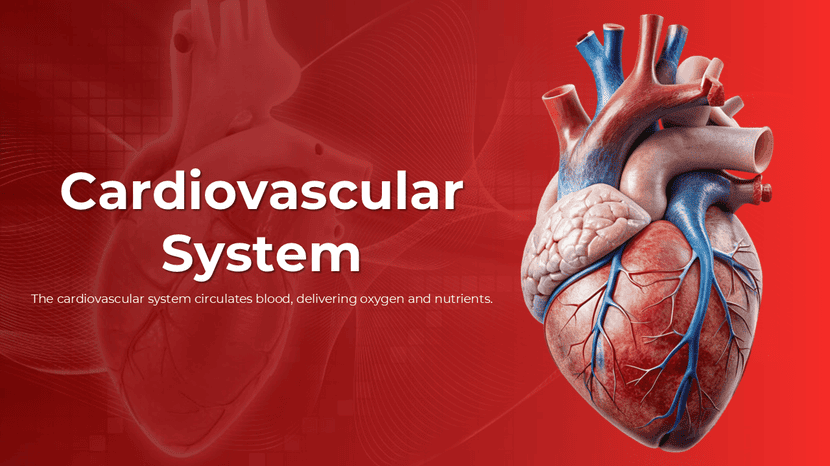
- Why It Works: The heart is a pump, not a static object. Standard diagrams often look flat. This template uses realistic shading to give the heart volume and depth.
- The Use Case: Valve replacements. The distinct Red/Blue color coding allows the audience to instantly distinguish oxygenated vs. deoxygenated flow paths.
- Get the Cardiovascular System Template
4. The “Mechanism” Slide (Immunotherapy)

- Best For: Oncologists & Biotech
- Why It Works: Immunotherapy happens at the cellular level. It is abstract. This template uses a “clean lab” aesthetic to visualize invisible processes like T-cell activation.
- The Use Case: Pitching investors. Translate complex biochemistry into a clean, digestible visual narrative.
- Get the Immunotherapy Template
5. The “Network” Visual (Neurology)

- Best For: Neurologists
- Why It Works: The brain is an electrical network. This template uses glowing nodes to visualize the “wiring” of the mind, aligning with how we conceptualize neural pathways.
- The Use Case: Discussing Alzheimer’s progression or synaptic firing. The aesthetic immediately aligns the audience with the concept of electrical impulses.
- Get the Neurology Template
6. The “Empathy” Deck (Phlebotomy)

- Best For: Pediatricians & Nurses
- Why It Works: Pediatrics is 50% medicine and 50% trust. This template swaps sterile blue for softer, approachable human imagery.
- The Use Case: Training nurses on “Soft Skills.” The photos reinforce the human connection, reminding staff that the patient is a child, not just a vein.
- Get the Paediatric Phlebotomy Template
7. The “Microscope” Slide (Mycology)

- Best For: Pathologists
- Why It Works: Fungal infections are identified by shape. This template places the microscope as the “Hero,” signaling that this presentation is evidence-based.
- The Use Case: Lab reports. The clean white background ensures detailed microscopic slide captures do not clash with the design.
- Get the Medical Mycology Template
8. The “Timeline” Visual (Embryology)

- Best For: OB/GYNs
- Why It Works: Embryology is about time and development. This template creates a respectful, high-end 3D visualization of fetal stages, avoiding the “textbook diagram” look.
- The Use Case: Fertility counseling. The dark background focuses attention entirely on the developmental stage, removing distractions.
- Get the Embryology Template
9. The “Call to Action” (Blood Donation)
- Best For: Public Health & NGOs
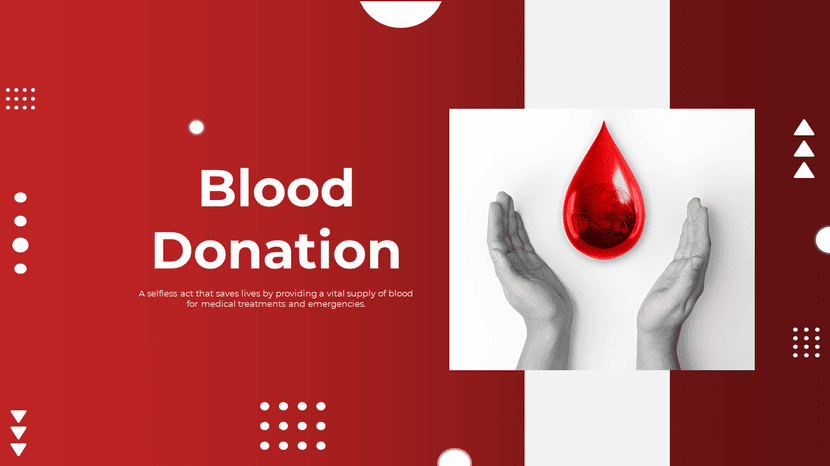
- Why It Works: This is a Marketing deck. It needs to drive action. The bold Red/White contrast creates immediate urgency.
- The Use Case: Blood drives. The “Urgency Red” color palette acts as a universal call for help.
- Get the Blood Donation Template
10. The “Sterile Field” Review (Surgery)

- Best For: Surgeons
- Why It Works: Surgery is high stakes. This template uses “Operating Room Green” to set a tone of sterile precision.
- The Use Case: Case reviews. The moody lighting mimics the OR, signaling that the content is about technique and survival.
- Get the Clinical Case of Surgery Template
Summary: Use the Right Tool
In 2026, using a “Neurology” slide for a “Cardiology” talk is unprofessional. It is like using a scalpel to cut a bandage.
- Orthopedics needs structure.
- Pediatrics needs empathy.
- Surgery needs precision.
Choose the template that matches your Clinical Intent. Your slides are the lens through which your expertise is viewed—keep them sharp.