120+ Logistics Presentation Templates
No more confusion in logistics presentations. Organize cost breakdowns, risks, delivery routes, and timelines in clear steps—empowering your team to make faster, more accurate decisions with confidence.
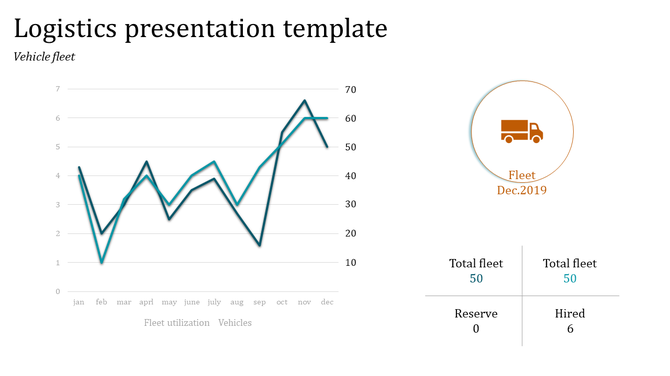
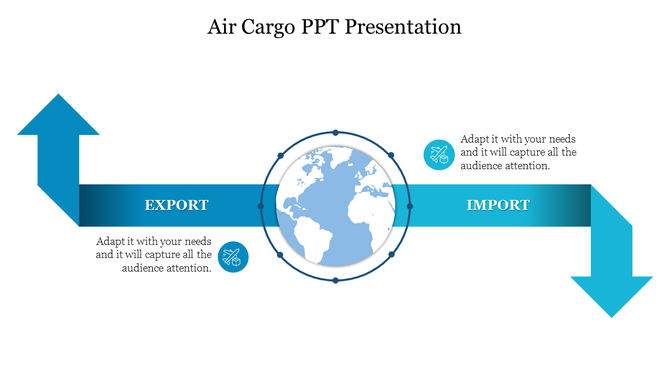
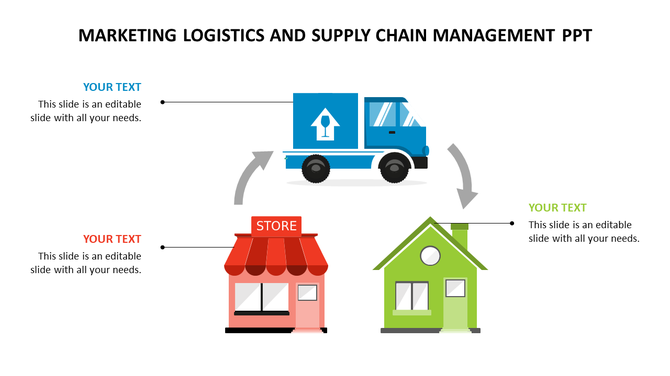
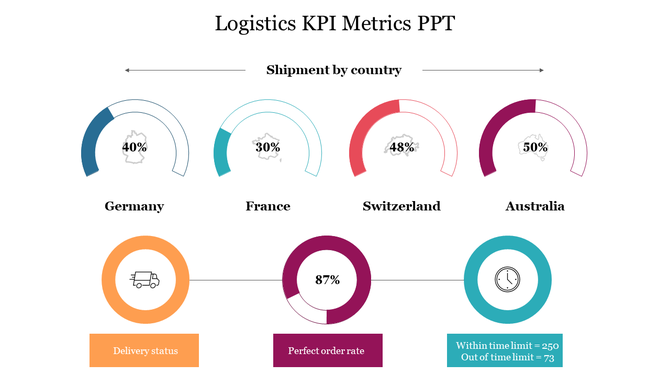
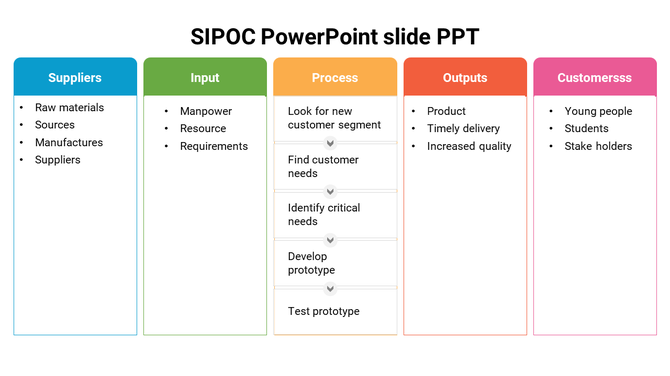

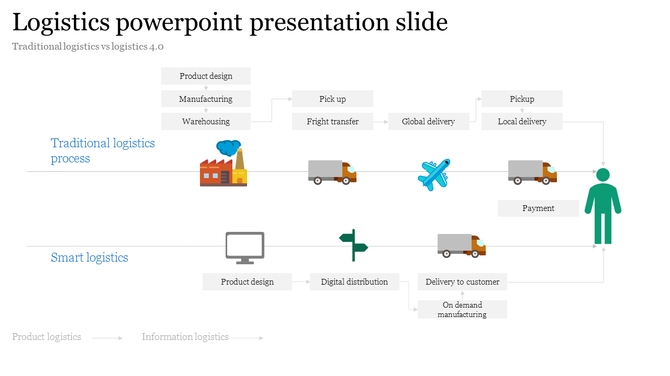
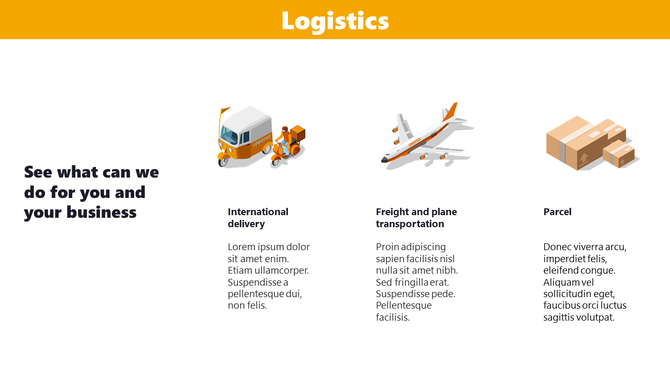
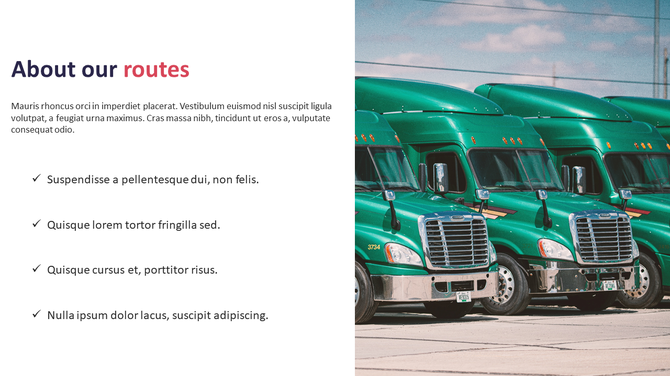
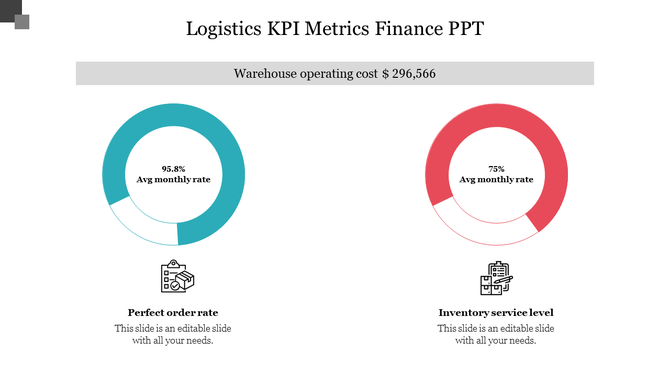
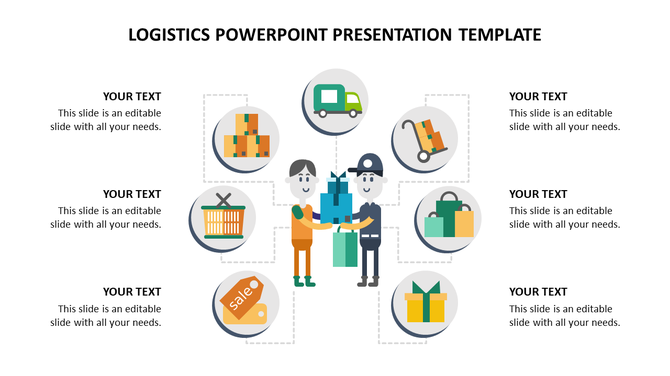
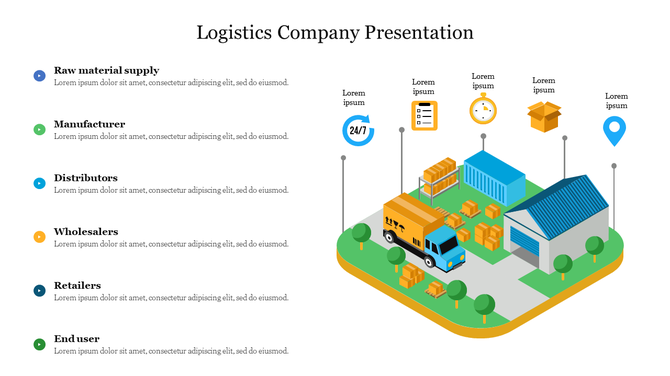

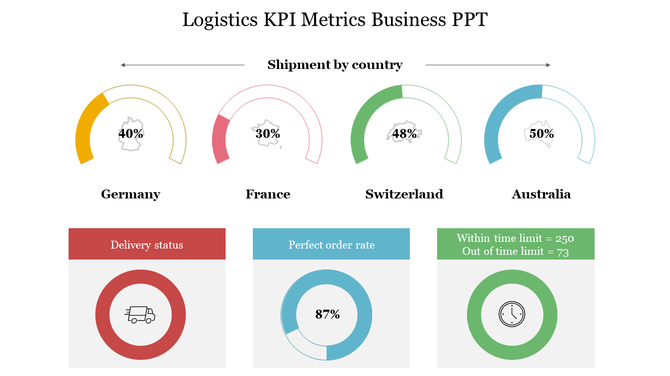
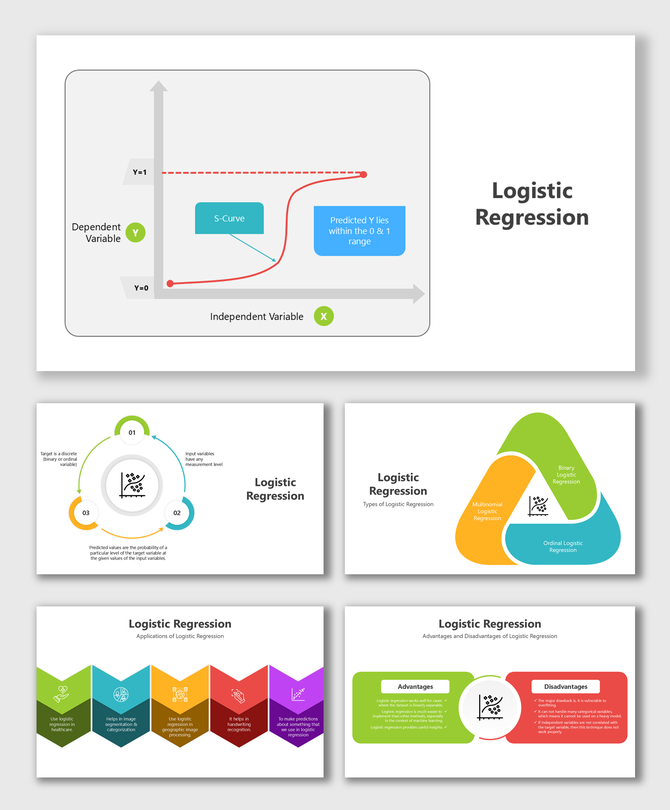
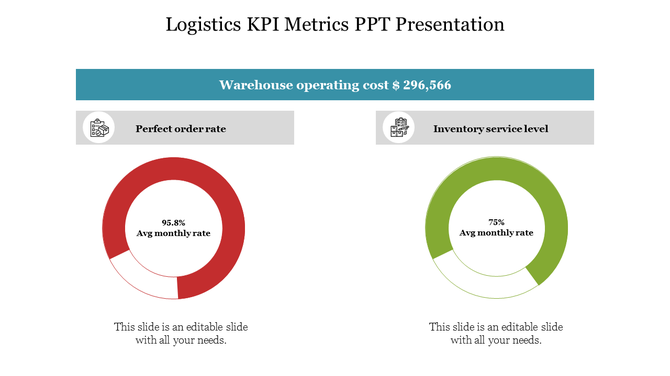

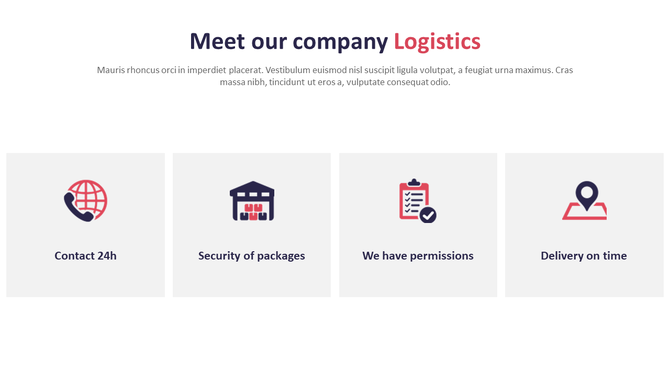


- Planning: Figuring out what needs to be moved, where it's going, and how it'll get there.
- Sourcing: Gathering the goods from manufacturers or suppliers.
- Warehousing: Storing everything safely and efficiently until it's needed.
- Transportation: Choosing the right mode of transport (ships, trucks, planes) and getting it moving.
- Delivery: Ensuring the goods reach their final destination in perfect condition.
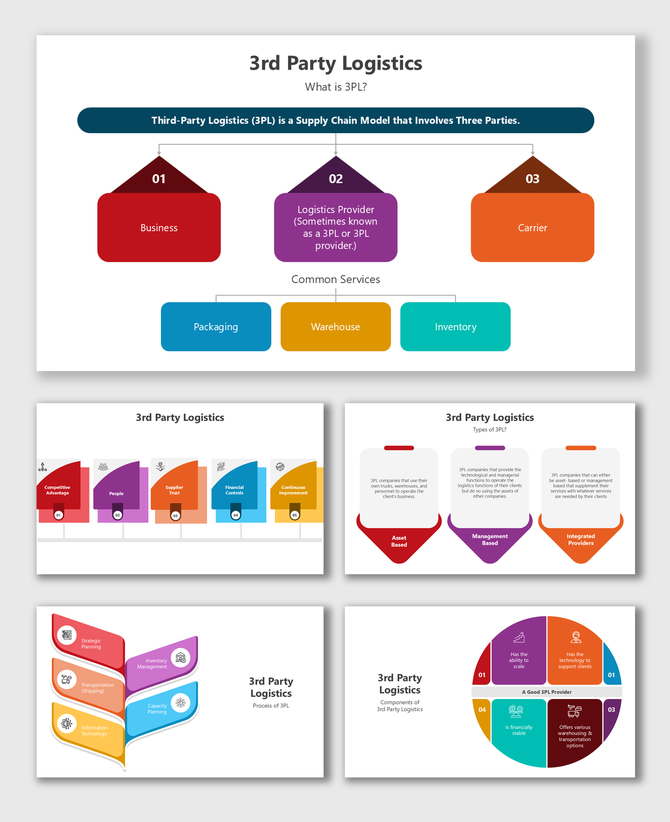
- Logistics: Explain the basics of the industry in a visually appealing way.
- Reverse Logistics: Show how returns and product recalls are managed efficiently.
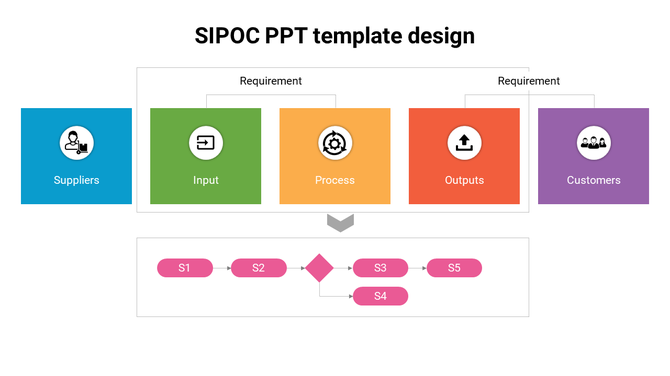
- Process Flow Mapping: Visually illustrate the step-by-step journey of your goods.
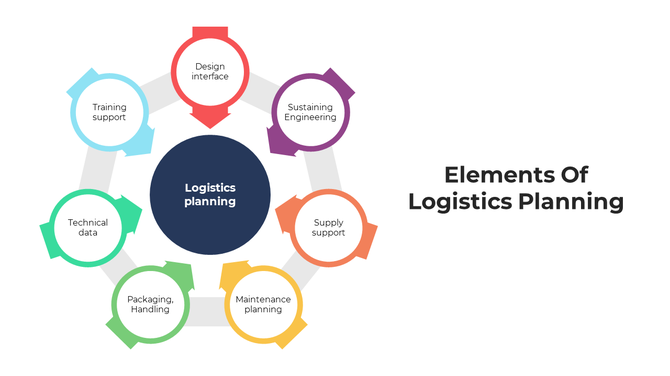
- Components & Elements of Logistics Planning: Break down the key factors for successful logistics strategies.
- Transportation: Dive into the world of trucks, ships, planes, and trains, highlighting their strengths and weaknesses.
- Value Stream Mapping: Optimize your operations by identifying and eliminating waste.
- Company Background and About Us Slide: Introduce your business with a professional and polished look and tell your story in a compelling way.
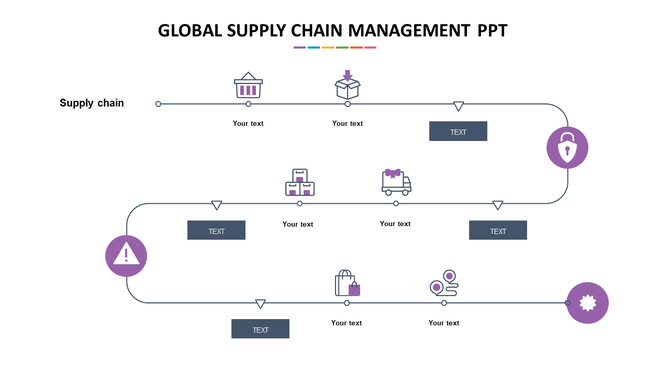
- Supply Chain Management: Visualize the interconnected web of suppliers, manufacturers, and distributors.
- International Logistics: Navigate the complexities of moving goods across borders.
- Pricing Table: Present your pricing plans clearly and effectively.
- Logistics in Event Management: Ensure your event runs smoothly with seamless logistics planning.
Frequently Asked Questions
1. How do I present logistics costs in a way decision-makers will approve?
Use a cost-benefit analysis that breaks down one-time vs recurring costs, emphasizes savings in operational efficiencies, and provides real-world ROI examples. This way, decision-makers see the full financial picture clearly.
2. How do I align multiple stakeholders with conflicting priorities in logistics?
Use a decision matrix to compare costs, risks, and benefits across options. Identify stakeholder priorities (e.g., finance, operations) and focus on shared goals to get everyone on the same page quickly.
3. How do I present a logistics business case that gets quick approval from executives?
Focus on key decision factors like costs, timelines, and risks. Provide a clear recommendation supported by visual aids (charts, comparisons). Keep the narrative tight and actionable so executives can decide fast without multiple reviews.
4. How do I demonstrate ROI in logistics when stakeholders are focused on costs?
Present cost savings over time, highlighting the payback period and efficiency improvements. Use benchmark data from similar projects or industry standards to make the case credible and show how investment pays off.
5. What should I do when logistics data is too complex for a simple presentation?
Simplify the data with visual aids—use flowcharts, diagrams, or process maps to explain complex systems. Focus on key outcomes (e.g., cost savings, risk reduction) to ensure your audience grasps the essential details.
6. How do I handle stakeholders questioning the risks in a logistics plan?
Present risk mitigation strategies for each identified risk. Use a risk matrix to rank severity and likelihood, and provide contingency plans to show you’ve considered alternatives, reducing the perception of risk.
7. How can I cut down on review time when presenting logistics projects?
Prepare a summary slide that clearly outlines the problem, options, risks, and your recommended course of action. This allows stakeholders to quickly assess the situation and make decisions without additional meetings.