1,000+ Free Company Profile PowerPoint Templates | Page 5
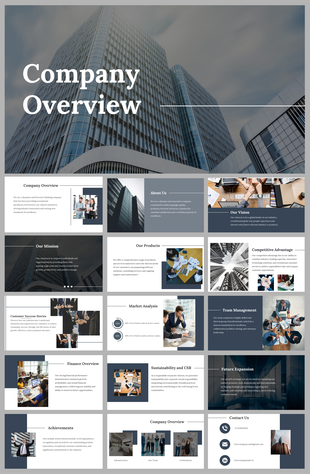
You have everything you need to tell your company story — operations, expertise, team, history, and certifications. The problem is organizing it. Where does each piece fit? What goes first? Templates provide the structure so your information makes sense together.



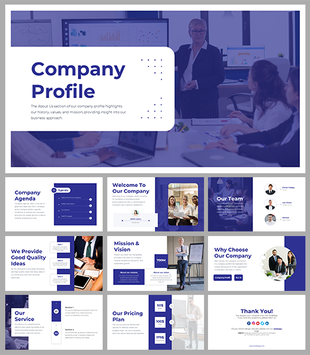
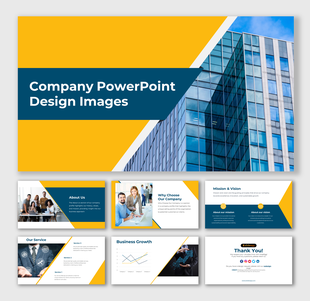

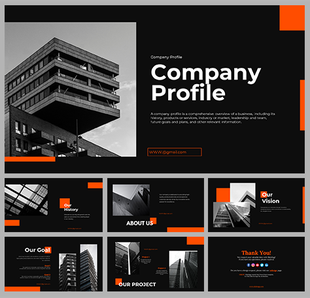
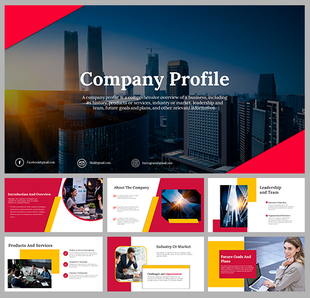
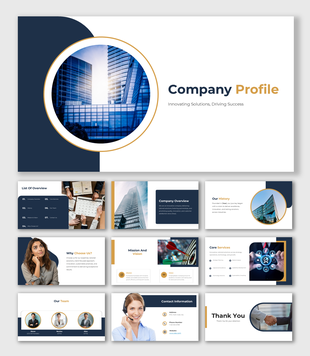
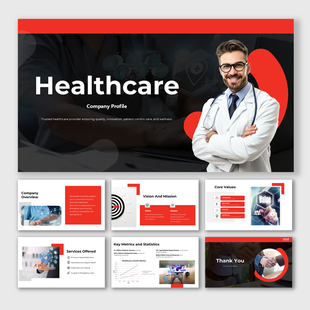
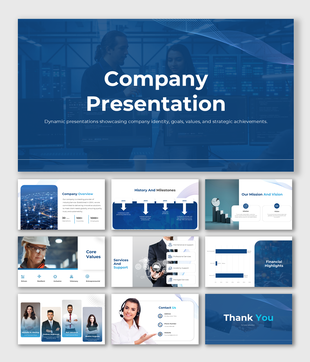
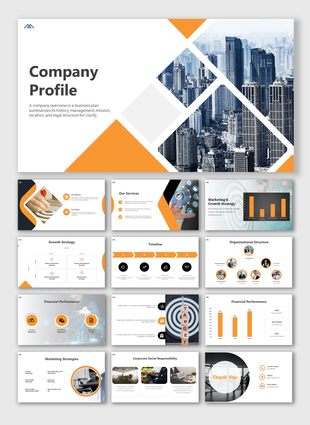

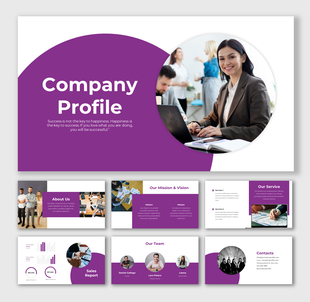
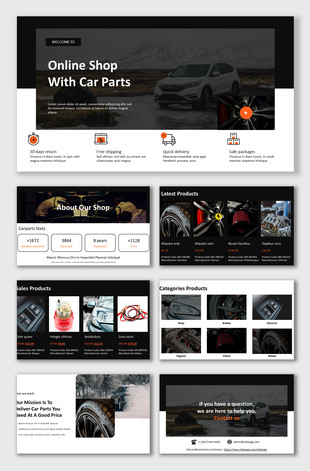


Showing240 of1,017


Use Cases of Company Profile Presentation Templates
A company profile presentation isn’t just something you create once and forget. It’s a practical tool used across different business situations where clear communication matters. Whether you're meeting a potential client for the first time, presenting your business to investors, or aligning your internal team, a well-structured company profile helps you tell your story with clarity. In sales meetings, it helps you explain your services and build confidence. During investor pitches, it gives a quick but impactful overview of your business. For hiring and onboarding, it introduces your culture and values. Even in partnerships and collaborations, it sets the right foundation by showing what your company stands for. Instead of starting from scratch every time, company profile presentation templates give you a reliable base to adapt for different needs—saving time while keeping your message consistent and professional.
Comprehensive Company Profile PowerPoint Templates for Business Presentation
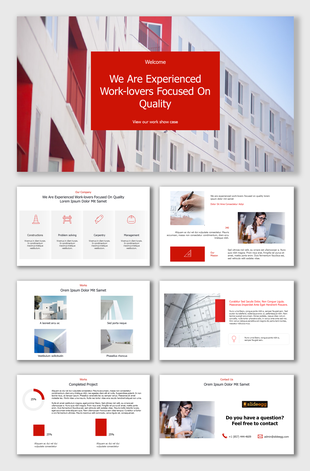
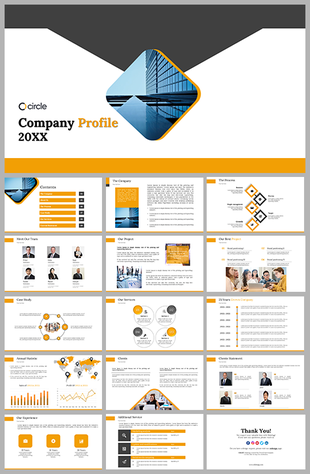
Company profile presentations are essential for conveying your business’s identity, values, and achievements in a clear and professional way. Whether you're preparing for a board meeting, client discussion, or investor pitch, having the right slides can make a real difference. The right template helps you present your company’s story in a structured and engaging manner.
Corporate Company Profile Templates for Business Presentations
Company profile presentations are essential for conveying your business’s identity, values, and achievements in a clear and professional way. Whether you're preparing for a board meeting, client discussion, or investor pitch, having the right slides can make a real difference. The right template helps you present your company’s story in a structured and engaging manner.
Small Business Company Profile Templates
For start-ups and growing businesses, creating a presentation from scratch can feel overwhelming. Small business company profile templates make this process easier. They help you highlight your services, mission, and growth plans in a simple yet effective way. These templates are ideal for entrepreneurs who want to present their business confidently without spending too much time on design.
Company Introduction Templates for Initial Business Meetings
First impressions play a big role in business. Company introduction templates are created to help you clearly explain who you are, what you offer, and why your company matters. These slides work well for first client meetings, vendor introductions, partnership discussions, and investor conversations where you need to make an immediate impact.
About Us Slides to Build Trust
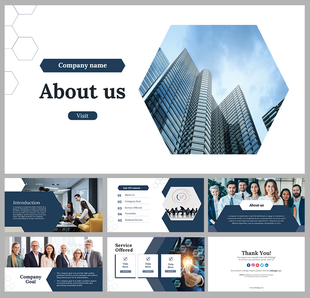
The “About Us” section is where your company becomes more than just facts and numbers. It’s your chance to share your values, mission, and vision in a way that feels real. Well-designed slides help you connect with your audience and build trust. When done right, this section can make your presentation more relatable and memorable.
Start-up Pitch Deck Templates
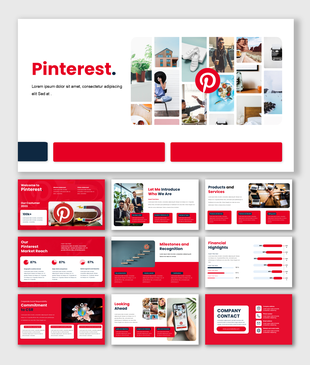
Start-ups need to communicate their ideas quickly and clearly, especially during pitch meetings. Start-up pitch deck templates are designed to showcase your business model, market opportunity, and future potential in a focused way. These templates help you present your ideas with confidence and improve your chances of gaining investor interest.
Team Introduction Slides for Corporate Profiles
Behind every successful company is a strong team. Team introduction slides help you highlight the people who drive your business forward. From leadership to key team members, these slides give your audience a better understanding of your company culture and expertise.
Company History Timeline Templates
Every business has a journey worth sharing. Company history timeline templates allow you to present your growth, milestones, and achievements in a visual and easy-to-follow format. Whether it’s your founding story, major launches, or key achievements, timelines help your audience see how far your company has come.
NGO / Non-profit Profile Templates
These templates are designed for non-profit organizations to present their mission, vision, and impact. Ideal for fundraising pitches, donor meetings, and community outreach presentations.
Real Estate Company Profile Slides
Real estate companies can use these templates to showcase their property listings, client services, and market expertise. Perfect for property investors, brokers, or real estate consultants.
Technology Company Profile Templates
These templates are tailored for tech start-ups or established tech companies, highlighting innovations, services, and tech solutions. Suitable for pitching investors or client presentations.
Healthcare Company Profile Presentations
Healthcare businesses can use these templates to present their medical services, research initiatives, or patient care facilities, which can be vital for hospital, clinic, or pharma company presentations.
Investor-Ready Company Profile Templates
These templates are designed to provide clear, concise company profiles that are tailored for investor meetings and funding pitches, helping to highlight business potential, revenue models, and growth strategies.
Multi-Business Unit Profile Slides
Perfect for businesses with multiple divisions or services, these templates help display the diversity of the company and how each business unit contributes to the overall organization.
Annual Report Company Profile Slides
These slides are ideal for presenting an annual report with key company highlights, financials, growth metrics, and forward-looking strategies. Great for board meetings and shareholder updates.
Consulting Firm Profile Templates
Consulting firms can use these templates to display their services, client success stories, and industry expertise, making it easier to pitch clients and build credibility.
Company Profile Presentation Trends in 2026
In 2026, presentations are becoming more focused and visually clean. The trend is moving toward simple layouts that highlight key information without clutter. Infographic-style slides and data-focused visuals are widely used to make content easier to understand. Businesses are also focusing more on clarity, storytelling, and meaningful visuals rather than overloading slides with text.
Who Can Benefit from Company Profile Templates?
Business Leaders & Executives
Executives can use these templates to present a complete view of their company, including achievements, financials, and future goals, to stakeholders and investors.
Sales & Marketing Teams
These teams can use company profile presentations for client meetings, proposals, and business development discussions.
HR Managers
HR teams can adapt these templates to introduce company culture, explain benefits, and support hiring or onboarding processes.
Project Managers
Project managers can use these slides to present timelines, progress, and updates in a clear and structured way.
Educational Institutions
Schools and universities can use these templates to present their programs, achievements, and future plans.
Non-Profit Organizations
Non-profits can use them to communicate their mission, ongoing work, and impact to donors and partners.
Key Features of Our Company Profile Templates
Fully editable templates to match your brand style
Easy to customize content, colours, and layouts
Saves time by avoiding design from scratch
Compatible with PowerPoint, Google Slides, and Canva
Flexible for different use cases and presentation needs
AI-supported customization for faster editing
Infographic slides for clear data presentation
Workflow slides to explain processes simply
Explore Similar Collections
Frequently Asked Questions
How much detail about company history do I actually need?
Include only milestones that prove credibility and stability — how long you've been in business, major awards, key client relationships. Skip internal restructuring or failed pivots. Focus on 3-5 moments that matter to prospects, not a full 20-year timeline.
Should I include financials/revenue in my company profile?
For investors: yes, it's essential. For clients or partners: no, not required. Instead, show scale and stability through employee count, clients served, or major projects. Only share numbers if it strengthens your position; never feel obligated to expose sensitive data.
My company has multiple business units. Do I profile all of them or just the main one?
If business units serve the same customers and support the same value proposition, include all. If they target different markets, create separate profiles. Rule: Only include information your specific audience cares about — don't dilute with irrelevant divisions.
How do I explain what we do without overwhelming people with technical details?
Lead with the problem you solve and the outcome, not the process. Then layer in how you do it. Use analogies to make complex concepts familiar. Break technical details into smaller pieces with white space. Your audience is scanning — make the main point obvious.
What's the difference between a company profile and a pitch deck?
Company profile = introduction and credibility ("Here's who we are"). Pitch deck = persuasion and urgency ("Here's why you should invest/buy"). Use a profile to establish trust; use a pitch deck when you need someone to act. You might use both in sequence.
How long should a company profile presentation be?
12-18 slides is standard. Length depends on complexity — consulting might need 18, logistics might work at 12. Ask: What does this audience actually need to know? Include only that. If you're repeating or filling space, cut it.
Should my profile look the same for different audiences (investors vs. clients vs. partners)?
Keep the same core story but shift emphasis. For investors: highlight growth and opportunity. For clients: prove you solve their problem. For partners: show reliability and mutual benefits. One flexible template works if you emphasize different sections for different audiences.