What Is a Digital Marketing Proposal?
Many people assume that because digital marketing is online, it requires less documentation. In reality, it still involves structured planning and clear communication — just in a digital format. Instead of paper files, marketers handle documents like strategies, plans, and proposals.
A digital marketing proposal is one of the most important of these documents. It is created by a marketer, consultant, or agency to explain their services to a potential client and show how those services can solve specific business problems.
Understanding a Digital Marketing Proposal
At its core, a digital marketing proposal is a structured document that outlines what a marketer can do for a client. It usually covers services such as:
- Search Engine Optimization (SEO)
- Pay-Per-Click Advertising (PPC)
- Social Media Marketing
- Inbound Marketing
- Website Design and Optimization
Rather than being just a list of services, it works as a clear explanation of how these efforts will help the client grow — whether that means increasing traffic, improving conversions, or building brand awareness.
You can think of it as a bridge between a business problem and a practical marketing solution.
Why a Digital Marketing Proposal Matters
A well-prepared proposal plays a crucial role in building trust and clarity between you and your potential client.
It helps to:
- Clearly define what services are being offered
- Explain how those services will benefit the client’s business
- Provide transparency around pricing
- Set realistic expectations for results
Without a proper proposal, clients may feel uncertain about what they are paying for or how success will be measured. A good proposal removes that confusion and creates a solid starting point for collaboration.
How to Write a Meaningful Marketing Proposal
Writing a strong Business proposal is not about using complex language or adding unnecessary details. It’s about being clear, relevant, and focused on the client’s needs.
Here are the essential elements to include:
1. Scope of Work
Instead of listing every service you offer, focus only on what the client actually needs. Study their business, identify their challenges, and explain how your approach will address those specific issues.
2. Cost Structure
Be transparent about pricing. Whether you charge hourly, monthly, or per project, clearly explain the cost breakdown. Also include how and when payments should be made to avoid misunderstandings later.
3. Timeframe
Set clear expectations for delivery. Mention start and end dates, along with key milestones. This helps the client understand when they can expect updates and results.
4. Success Metrics
Define how success will be measured. This could include metrics like website traffic, conversion rates, engagement levels, or return on investment. Clear metrics help both you and the client stay aligned.
5. Case Studies
Real examples add credibility. Instead of simply saying you can deliver results, show how you’ve done it before. Include brief case studies with measurable outcomes to demonstrate your experience.
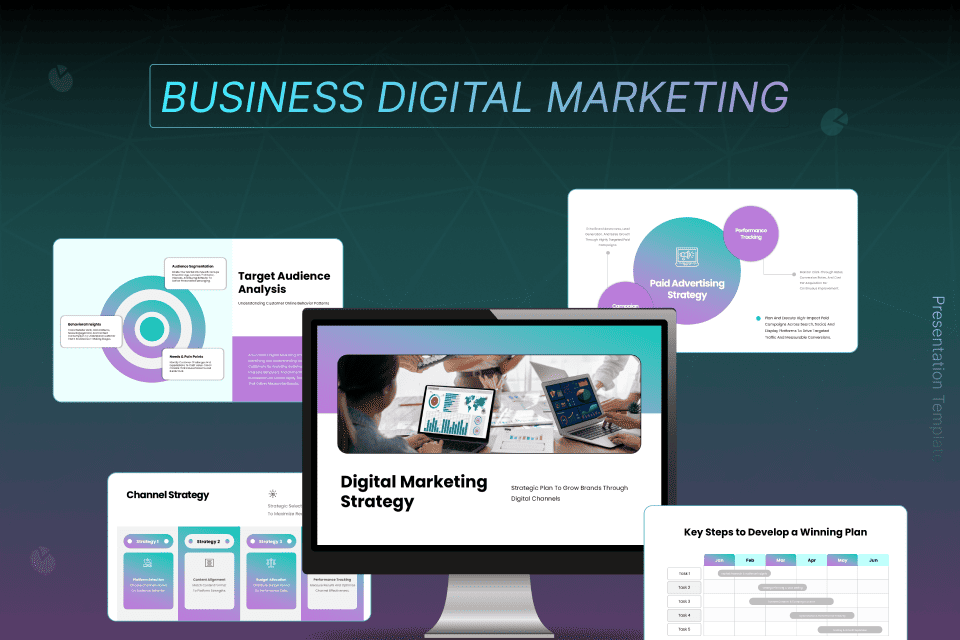
What Is a Digital Marketing Proposal Template?
A digital marketing proposal template is a pre-structured format that helps you create proposals more efficiently. It acts as a starting point, ensuring that all important sections are included every time.
Using a template can:
- Save time when creating multiple proposals
- Maintain consistency in your documents
- Help you stay organized and focused
However, a template should never be used as-is. The most effective proposals are always tailored to the specific client, combining a structured format with personalized insights.
How to Choose the Right Digital Marketing Proposal Template
Choosing the right template is not about picking the most visually attractive option — it’s about finding one that helps you communicate your ideas clearly and effectively.
Here are a few practical things to consider:
1. Keep It Simple and Easy to Understand
A good template should make your content easier to read, not harder. Avoid designs that are overloaded with graphics or complicated layouts. If a client has to work to understand your proposal, the template is not doing its job.
2. Make Sure It Is Easy to Customize
No two clients are the same, so your proposal should not feel generic. Choose a template that allows you to easily edit sections, add or remove content, and adapt it based on the client’s needs.
3. Match the Template to Your Audience
Think about who will be reading your proposal.
- A startup founder may prefer something short and straightforward
- A corporate client may expect a more detailed and structured format
The template you choose should reflect the level of detail and professionalism your audience expects.
4. Focus on Content Structure, Not Just Design
A strong template should already include key sections like scope of work, timeline, pricing, and success metrics. If these are missing, you may end up doing extra work anyway.
5. Choose a Format That Is Easy to Share
Your proposal should be simple to send, open, and review. Formats like PDF or Google Docs are widely accepted and easy for clients to access.
6. Avoid Overly Generic Templates
Some templates are so broad that they fail to communicate anything meaningful. If it looks like it could be sent to any business without changes, it is probably too generic.
Final Thought
A digital marketing proposal is more than just a document — it’s a communication tool. When done well, it shows that you understand the client’s business, have a clear plan, and can deliver measurable results. Keeping it simple, honest, and relevant is what truly makes it effective.
FAQ
1. What is the main purpose of a digital marketing proposal?
To clearly show how your strategy will help a client achieve their business goals in a practical and results-driven way.
2. How is a digital marketing proposal different from a marketing plan?
A proposal is designed to win approval, while a marketing plan guides the execution after the work begins.
3. How long should a digital marketing proposal be?
It should be long enough to explain your approach clearly, but concise enough to keep the reader engaged—usually around 5–10 pages.
4. Should every proposal be customized?
Yes, because a tailored proposal shows you understand the client, while a generic one often gets ignored.
5. What makes a digital marketing proposal effective?
Clarity, relevance, and honesty—focusing on real client needs without overpromising or using unnecessary jargon.