Clinical Case On Microbiology PowerPoint And Google Slides











Microbiology Clinical Case Study Presentation Template
Analyzing infectious disease requires a precise look at pathogen biology and laboratory evidence. This presentation deck offers a structured clinical workflow for microbiologists, medical educators, and pathology students. It moves beyond basic definitions to provide a real-world application of diagnostic techniques, making it a functional tool for hospital briefings or university lectures.
Pathogen Classification and Biology
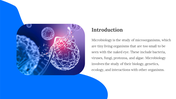
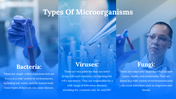
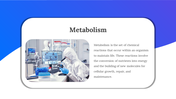
This deck categorizes microorganisms into distinct groups, including bacteria, viruses, fungi, and protozoa. It highlights their unique structural differences and reproduction methods. For advanced lectures, the slides explore cellular metabolism and the chemical reactions necessary for microbial growth and repair.
Clinical Diagnostic Methods
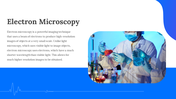
A major focus of the deck is the application of modern imaging. It explains the mechanics of electron microscopy, showing how high-resolution beams provide a level of detail that visible light cannot reach. The included case study follows a 65-year-old COPD patient, detailing the process of sputum collection, Gram staining, and MacConkey agar culture to identify non-lactose fermenting colonies.
Evidence-Based Conclusion
The flow ends with a structured summary, linking laboratory findings back to patient care. By combining biological theory with a practical clinical scenario, these slides help your audience understand how microscopic data drives medical decisions.
Try this deck to deliver a professional, data-driven talk on microbial pathology and laboratory diagnostics.
Features of this template:
- Fully editable slides.
- Works in PowerPoint, Google Slides, and Canva.
- Available in 16:9 and 4:3 formats.
- COPD Clinical Case: Follows a specific diagnostic journey from symptoms to culture results.
- Microscopy Analysis: Dedicated slides for electron vs. light imaging techniques.
- Laboratory Culture Visuals: Explains the use of MacConkey agar and Gram staining.
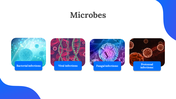
- Microbe Taxonomy: Individual layouts for bacterial, viral, fungal, and protozoal infections.
- Metabolism Overview: Visualizes the chemical reactions within living organisms.



You May Also Like These PowerPoint Templates














Showing36 of69,218 templates